Easy Crocus Planting


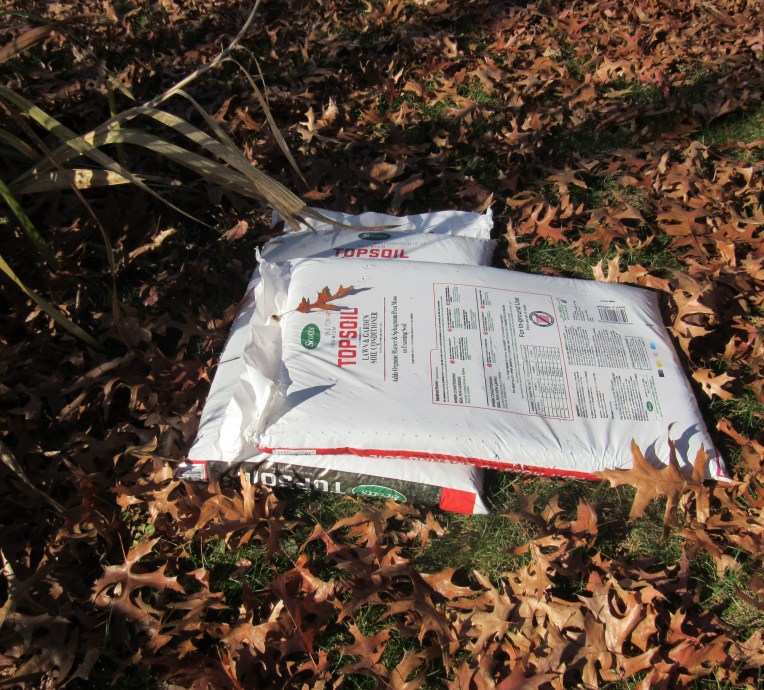
If you’re planting small bulbs, like crocus or several of the allium varieties, which can be placed under a few inches of soil, here’s a way to avoid digging at all, while laying the ground for a bed-expansion in next year’s garden. Buy a few bags of topsoil….

I know you can find advice out there against it. But the bagged products have the reputation of both the manufacturer and the chain store selling them to support, and they have laws to comply with. It’s not the same as topsoil delivered from a random seller online. I like this less augmented (with fertilizers) product, that allows soil organisms to build fertility for you. The brand above is like half-decomposed mulch, not heavily peaty, and after a good rain its light particles sink below the heavier ones, forming a mulch layer on their own. Of course, you can buy a lot of commercial brands, and should pick the kind best for the soil you have.


Distribute the bulbs, which will root by themselves whether upright or on their sides, in a natural flow. Never mind the grass. Fescues mostly die when well covered, and the stringy roots are easy to dislodge in the spring. 
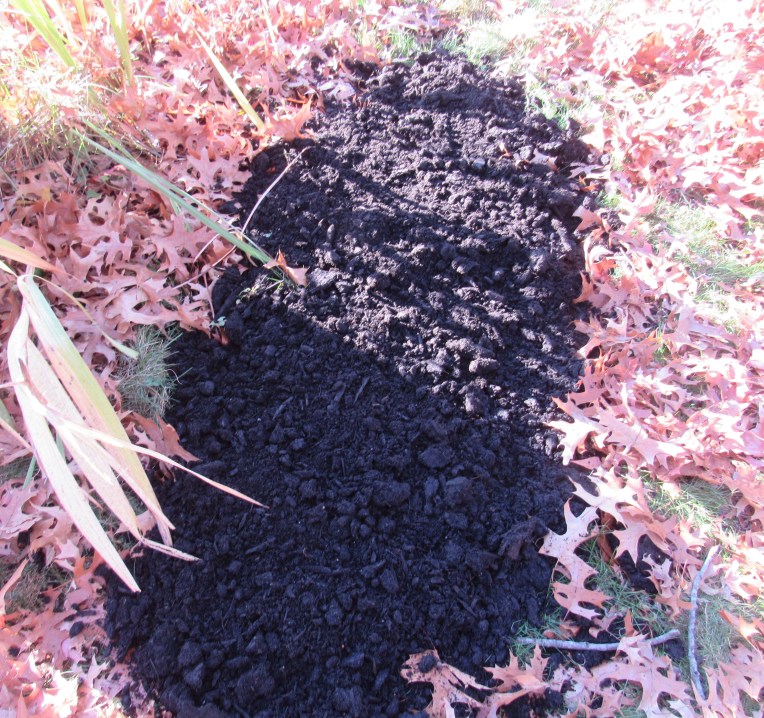


Distribute soil over the whole planting,  to about three inches depth for crocuses. 
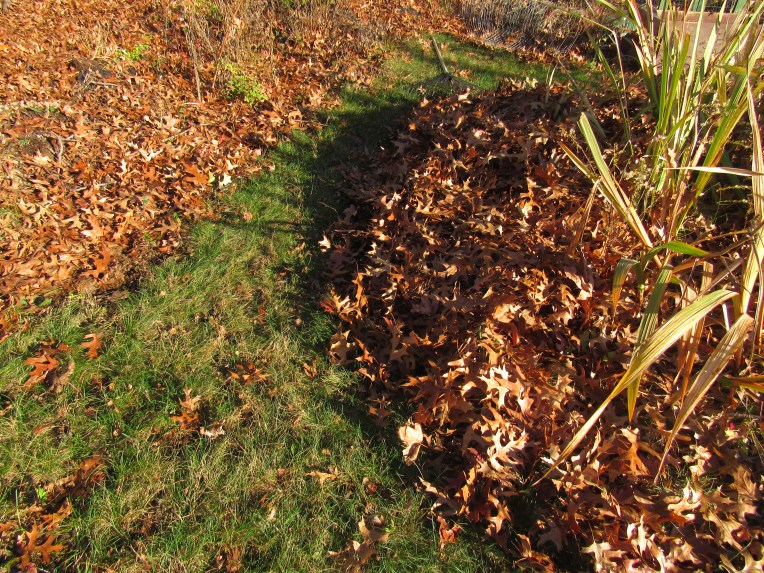


Finally, I’ve raked on leaves to protect the bulbs from squirrels, and keep them from being exposed by rains. The leaves will add richness to the bed, but if they’re oak, should be thinned in time. When they begin to form a mat, your bulbs and perennials alike need light and air, so you should do a general midwinter raking (that is, late January, early February), taking about half the leaves away for composting.
Little Garden Events

In this interesting May 2021, we’ve gone back from high summer heat to chill, just when my furnace is out. I’ve been putting up with bundling indoors, since the season’s wrong for having the repair done. If anything was wrong, I wouldn’t know until fall.

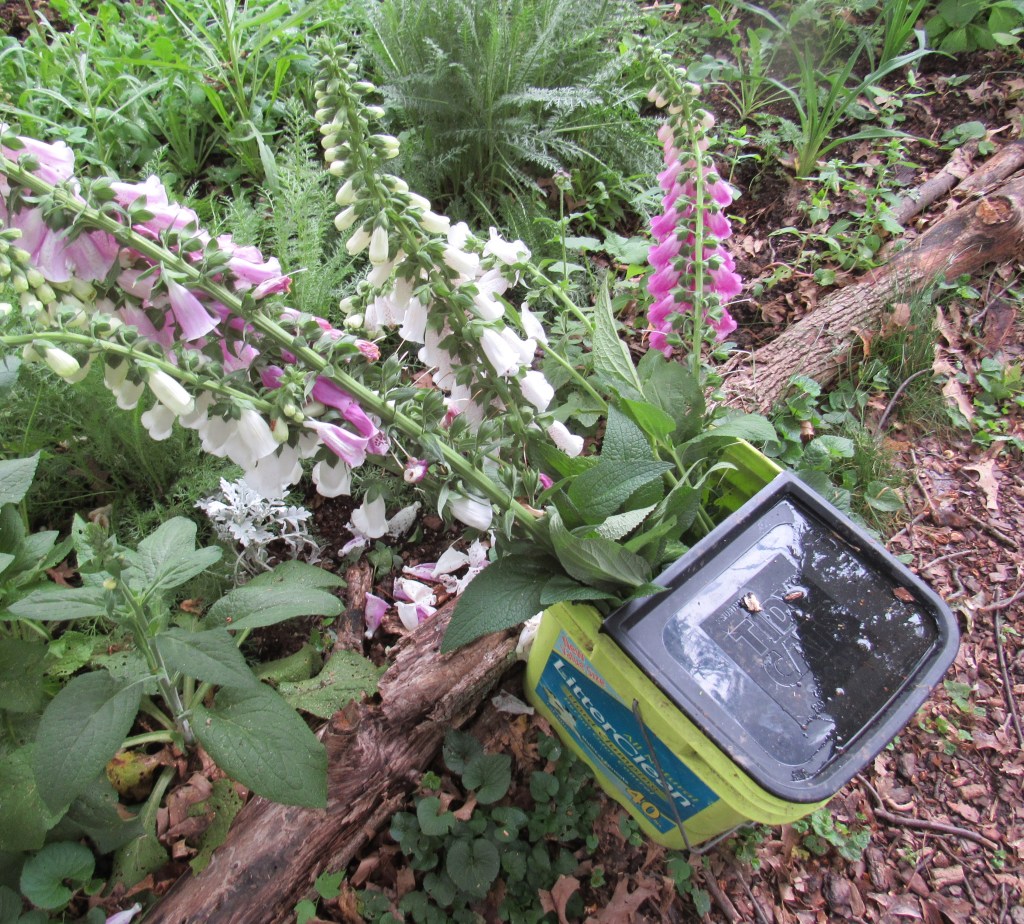
We had a good wind this week, and a number of my five-foot-tall foxgloves got bent over. The flowers are still opening, and the bees are still pollinating, so I don’t want these inside; also, of course, I don’t want my cats bothering them. The flowerheads are finishing their lifespans in this bucket of water, with the half-lid to keep creatures from trying to drink. The seeds should fall into the bed, so I can redistribute my new plants next spring.


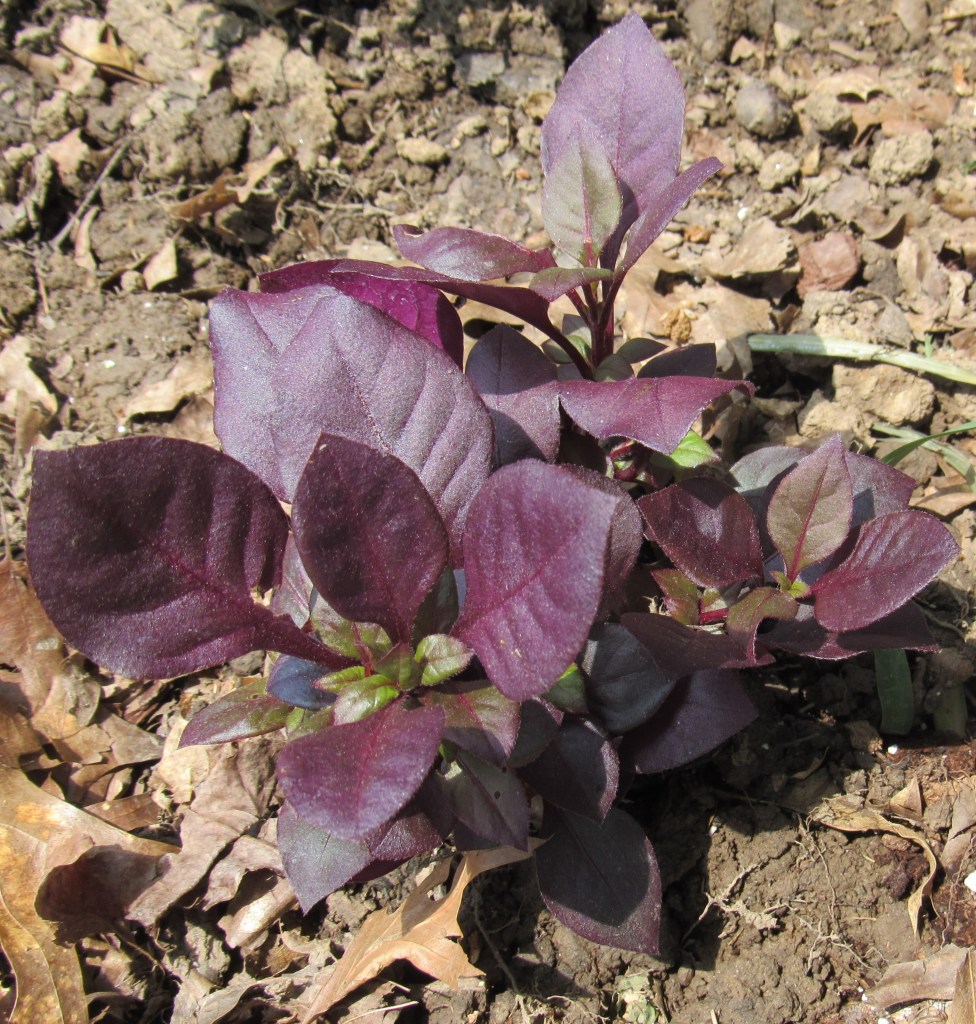
This is a new one to me—not to many, I’m sure. It’s called Alternanthera, and I picked up a couple, since I always like groupings with different foliage colors. 


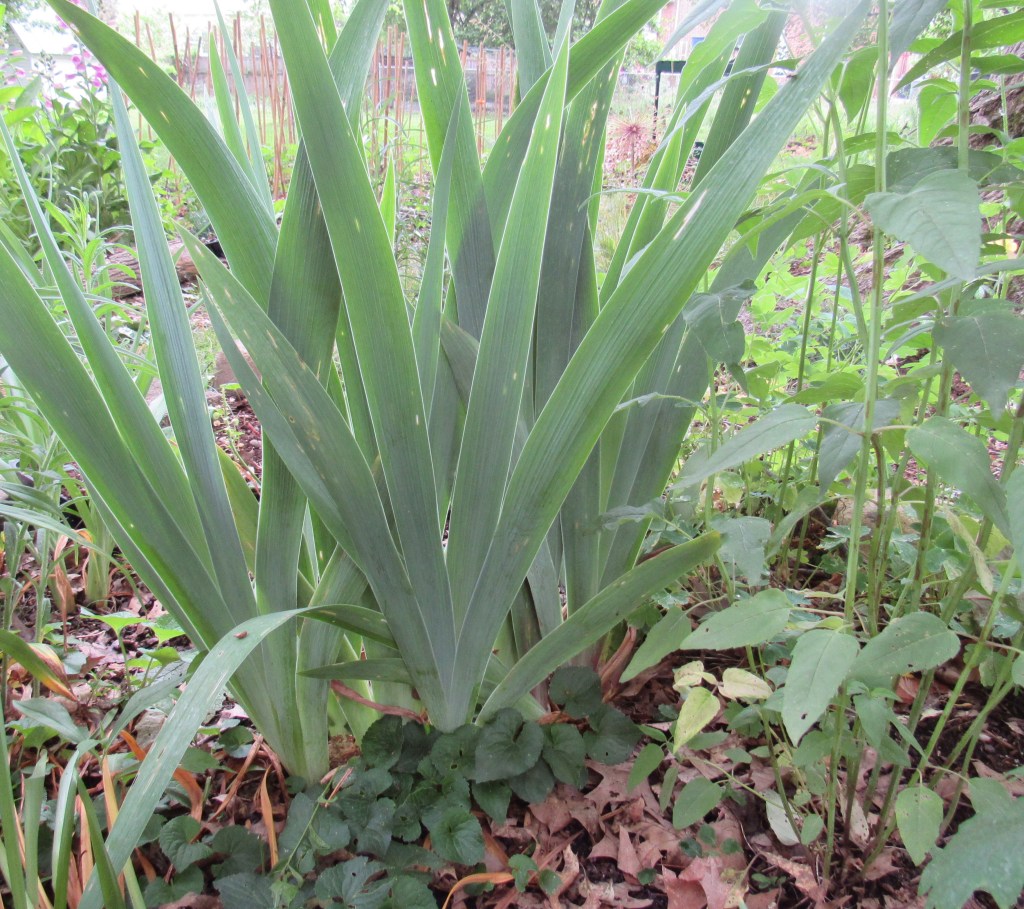
A stand of seriously crowded irises. No surprise they aren’t blooming. They need digging, dividing, and put in a new, sunnier location. Then I’ll have a gap in the bed to fill with something, a problem no gardener minds.


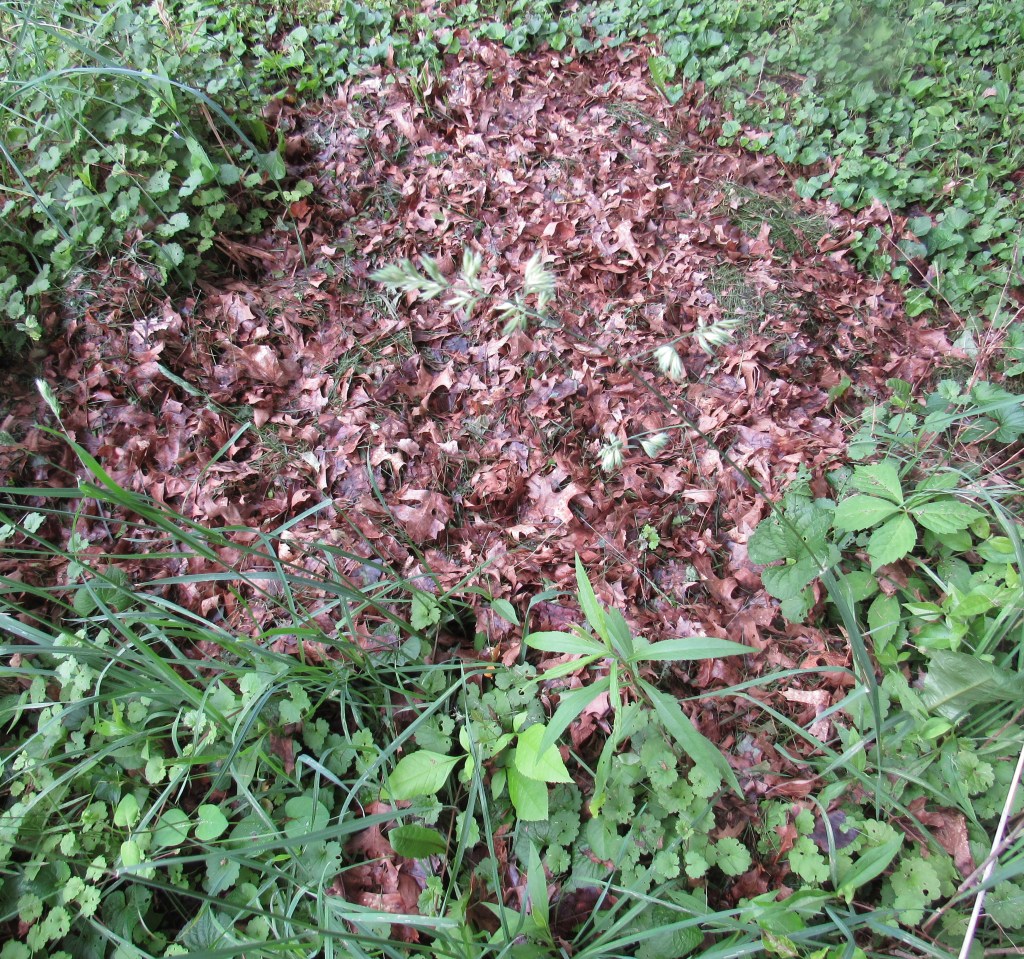
This is how I make a new bed. I pile lawn clippings from the mower bag, mixed right now with a lot of leaves. Then I let them form soil through the winter, and plant the following spring.


Two views, above, of the weirdest gall I’ve seen so far. Those are not drops of water, but blisters. The foamy stuff is not really foam, like a spittlebug makes, but in consistency like cooked egg white. And, as is obvious, the leaves are severely warped. I found it on the ground, and I tossed it behind the rhododendron after I’d taken its picture.


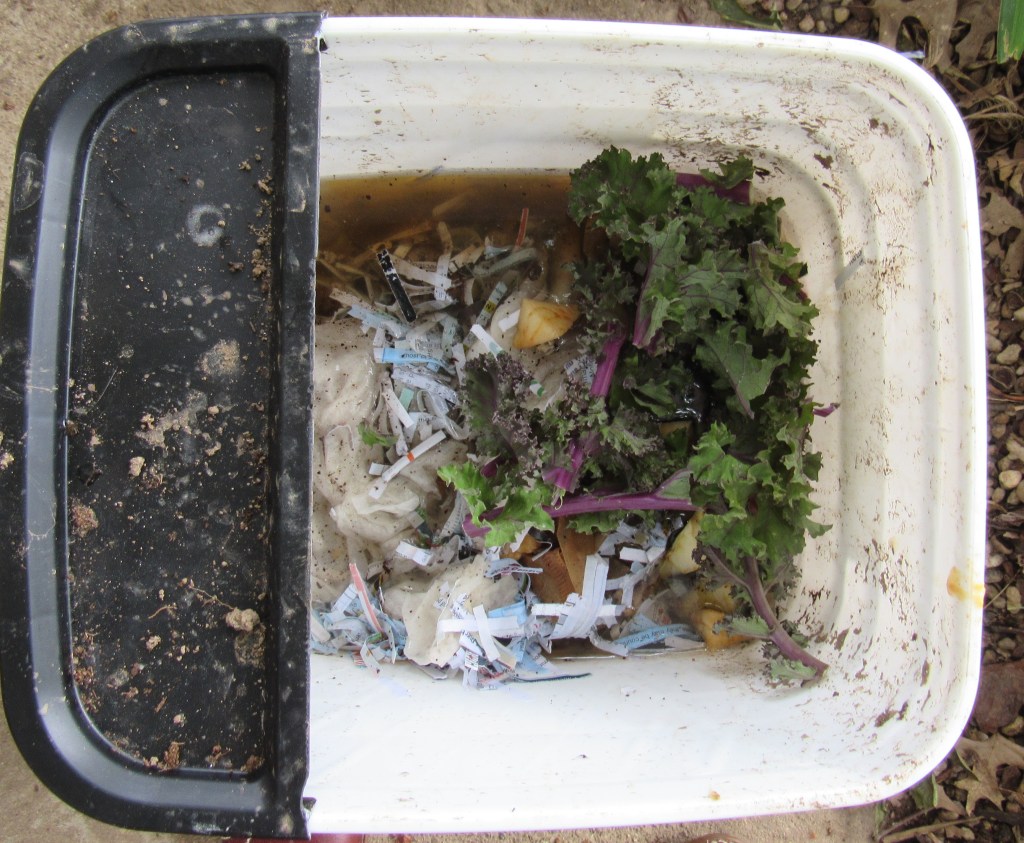
A composting tip: If you keep a kitchen bucket to toss scraps in while you prepare meals, keep a larger bucket in the garage, part-filled with water. Here, as shown, you should drop your used tissues and paper towels (no bacon fat), and small amounts of shredded paper from the junk mail. Add your veg scraps at the end of the week, and dump everything on the outdoor compost. (Adjust these instructions if you have only a patio or balcony and no garage.) Paper will transmute into garden feed easily, if it starts out soaked, while timely dumping means the bucket won’t smell. 


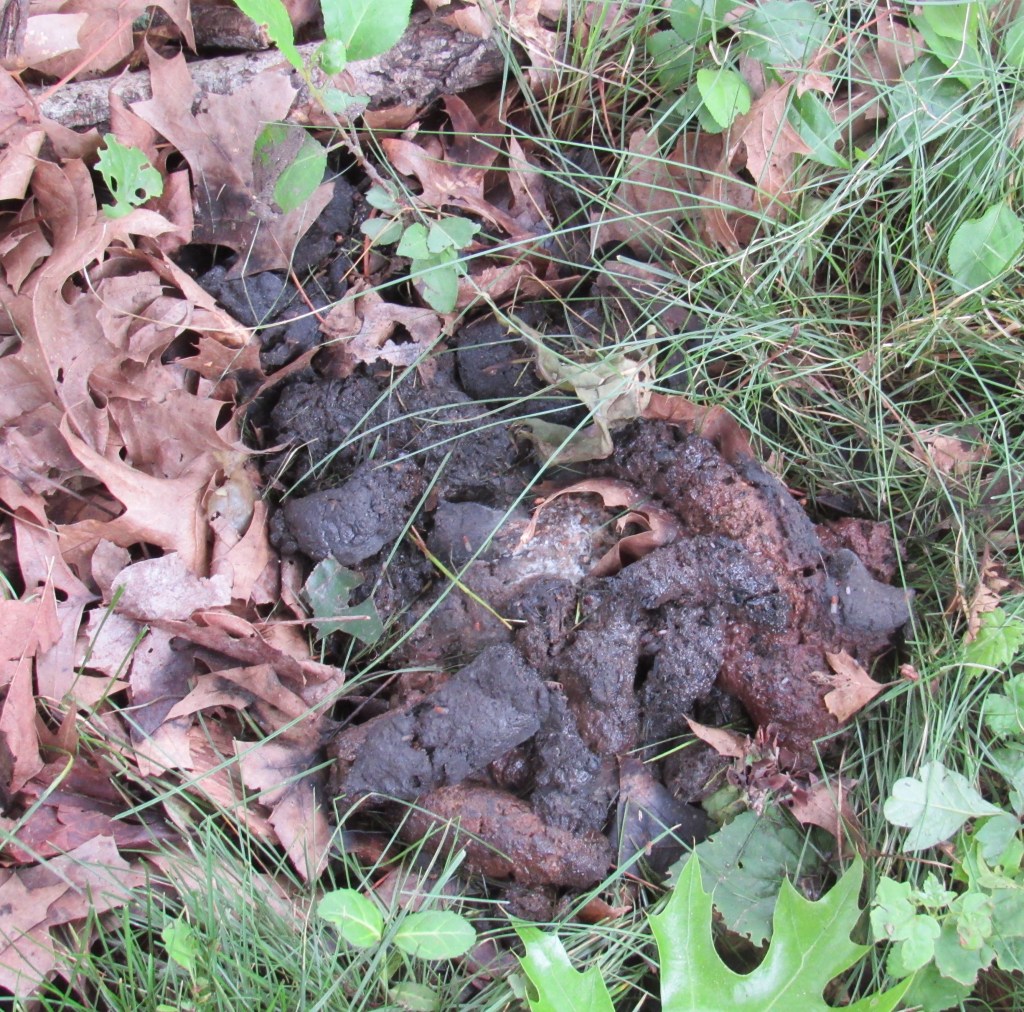
I found this expansive pat from some creature, and doubted it was a deer. In truth, I’ve seen this kind of thing before, but I’d never given consideration to bears. In Southeastern Ohio we can have black bears, but we typically don’t, at least not in numbers to be spotted by homeowners. The proof is inconclusive, but it makes me wonder. I’ve been experimenting with putting apple slices out for the deer, in hopes they’ll eat those and not my plants. Maybe not a good idea!