September Garden Photos

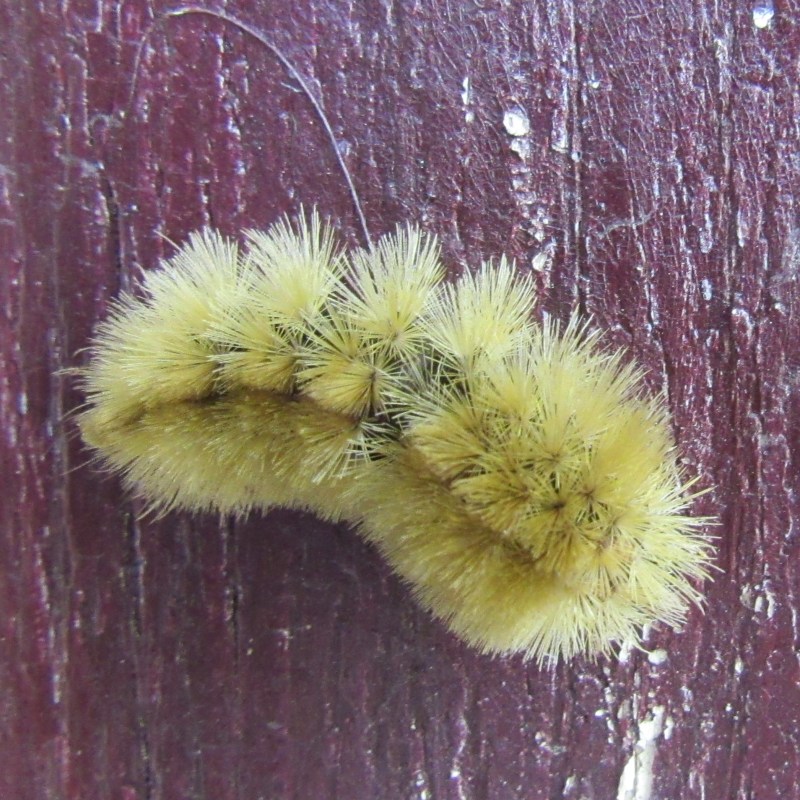
Photo of yellow haired caterpillar

Close shot of a lemon-colored caterpillar.


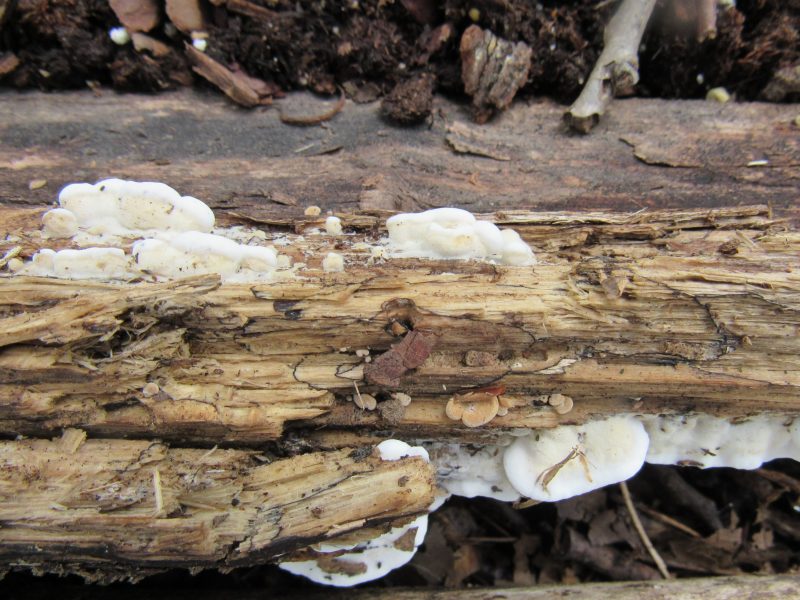
Photo of small mushrooms on decaying log

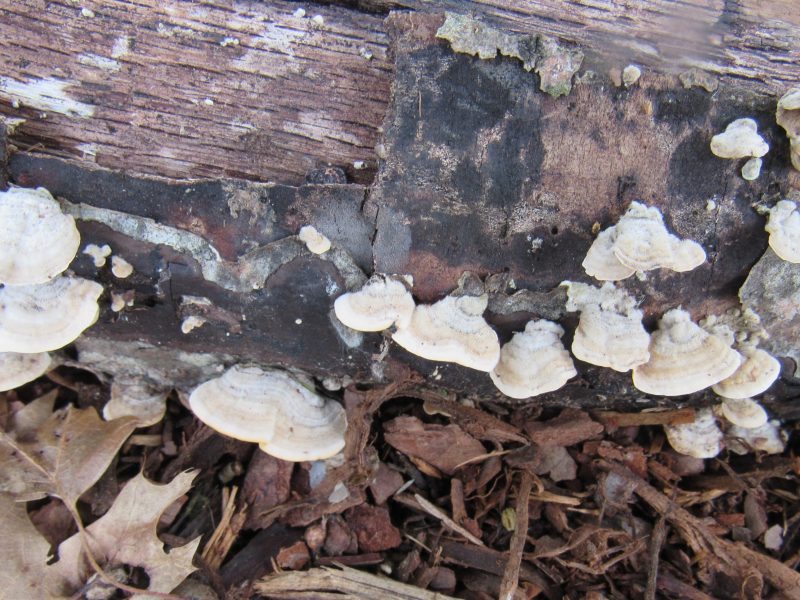
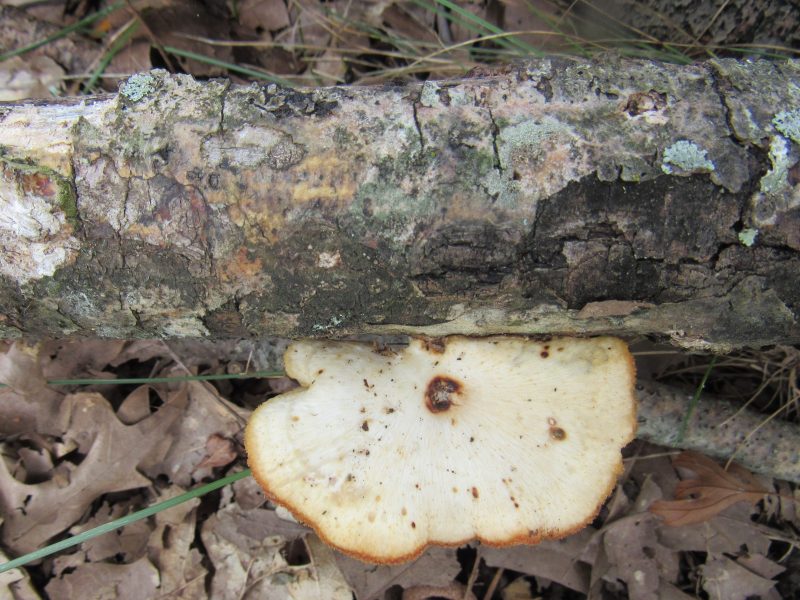
This, and the following, some small shelf mushrooms fruiting out of the logs I line my path with.


Photo of small mushrooms on decaying log

Photo of small mushrooms on decaying log

Photo of small mushroom on decaying log

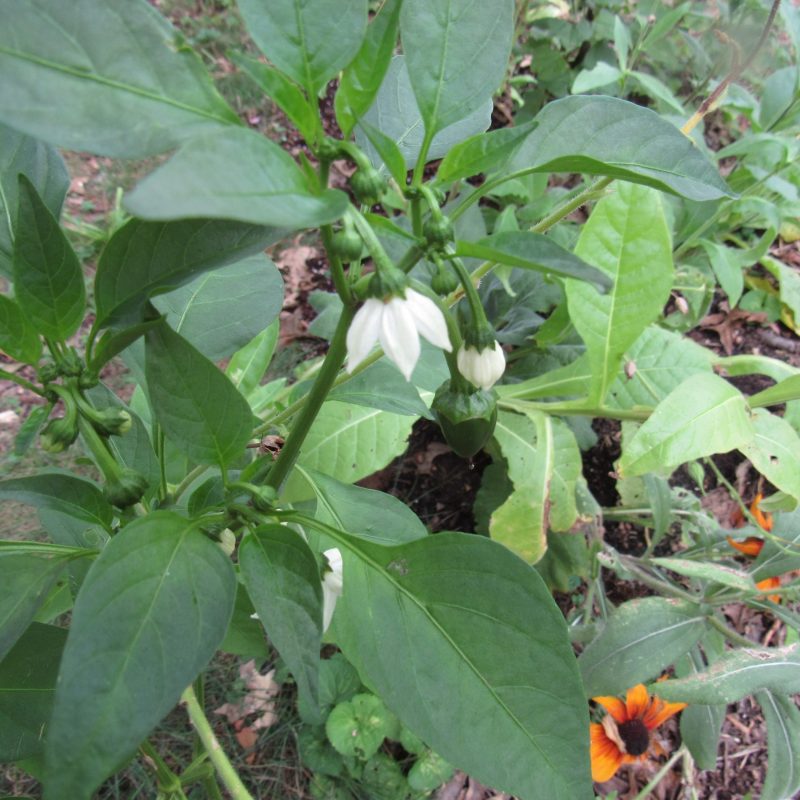
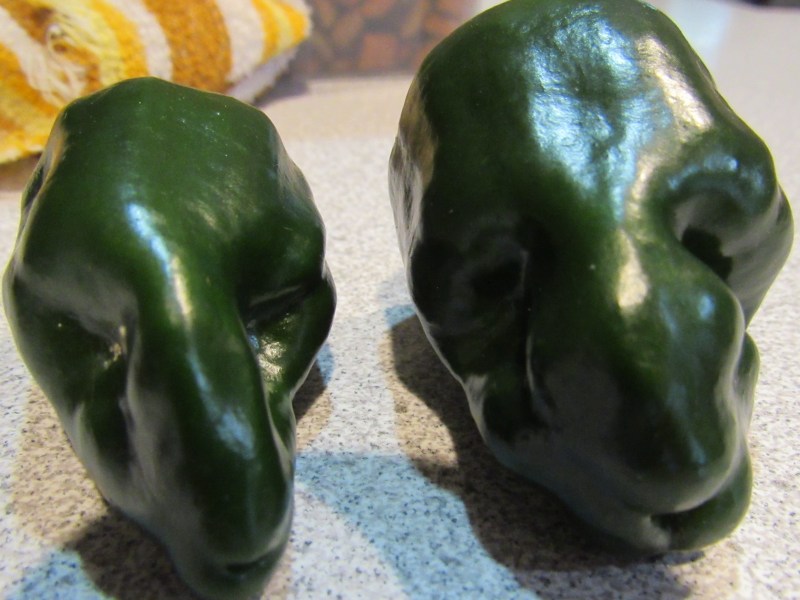
Photo of poblano pepper in bloom and fruit

A few weeks ago, I posted a pic of my tiny poblano harvest. But now the plant has taken off in a flower-making frenzy, and I have several new peppers coming along.


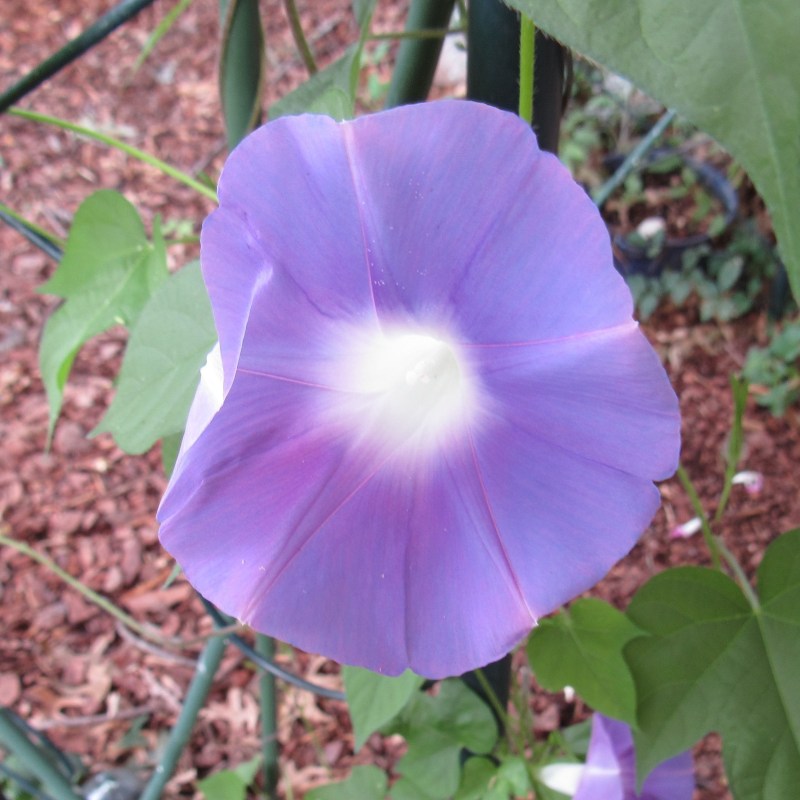
Photo of morning glory flower

My morning glory, blooming. The color is luck of the draw, since I bought assorted seeds. You can see here the paper-thin petals and the ethereal quality of light shining through the center.


Photo of Liriope flower

What the flower of the liriope plant, a groundcover, looks like in close-up.


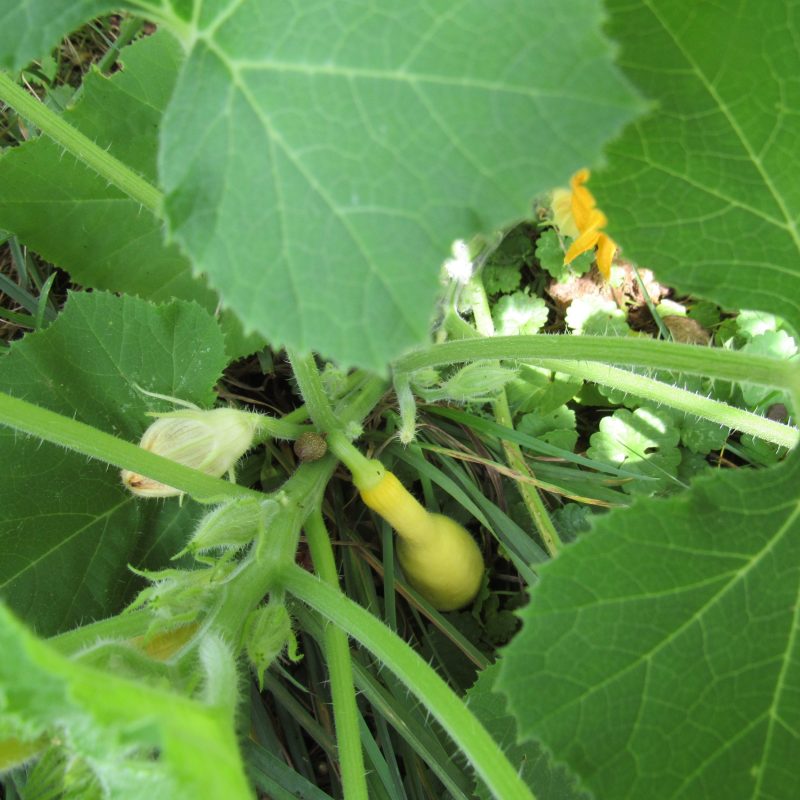
Photo of crookneck squash tiny fruit

Finally, this tiny squash, just starting when I photographed it, has grown in a week to almost full-size.


A Few Things of Interest

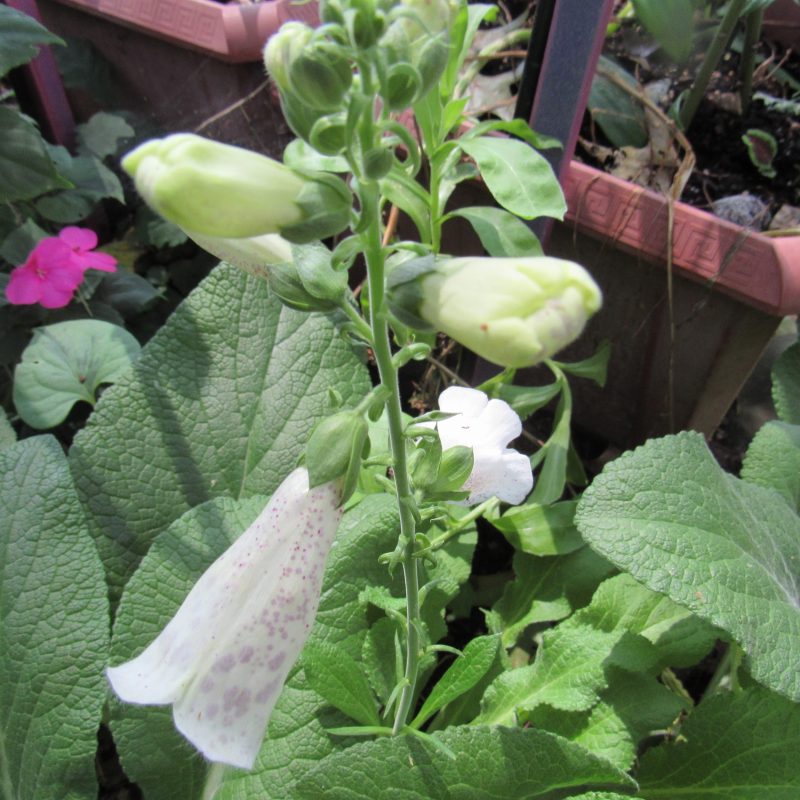
Photo of foxglove flowerstalk

At this time of year, you don’t mind seeing the garden chores diminish. There are plenty of other projects to do! One of this year’s foxgloves decided to shoot up its flower stalk after all, a pretty white with dark magenta spots.


Photo of foxglove blossom

Here’s what the flower looks like when I hold it upright for the camera.


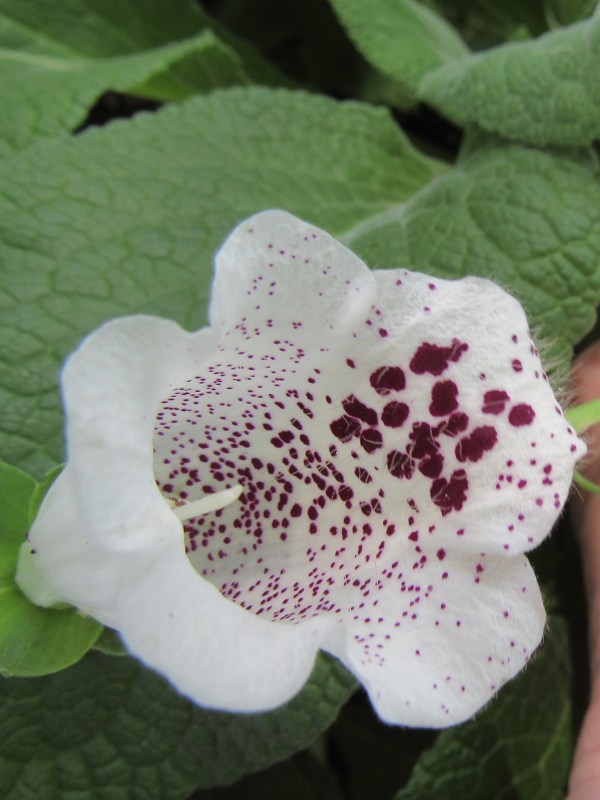
Photo of super closeup foxglove

And in super closeup, we learn something new. The bloom usually hangs down, so the bottom petal has a fringe of hairs, maybe for the pollinator to take hold of; then, there are hairs coming out of all the guide spots going up into the heart. A female ruby-throated hummingbird has been working on this one, but the hair arrangement is probably beneficial to small bees.


Photo of morning glory vine

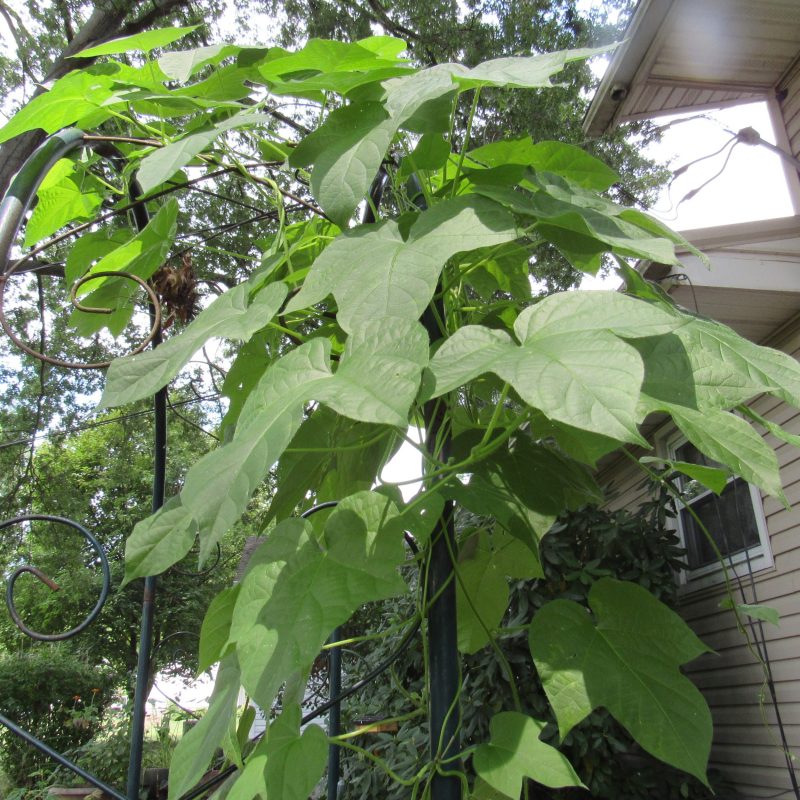
As robust a climbing vine as you could ask for, but this morning glory has yet to make a bloom.


Photo of goldenrod and aster

Goldenrod, one of the wildflowers I let grow in the beds, because they bloom late in the season, along with the wild aster in the background, so they do the local insect and bird populations some good.


Photo of elephant ear leaf

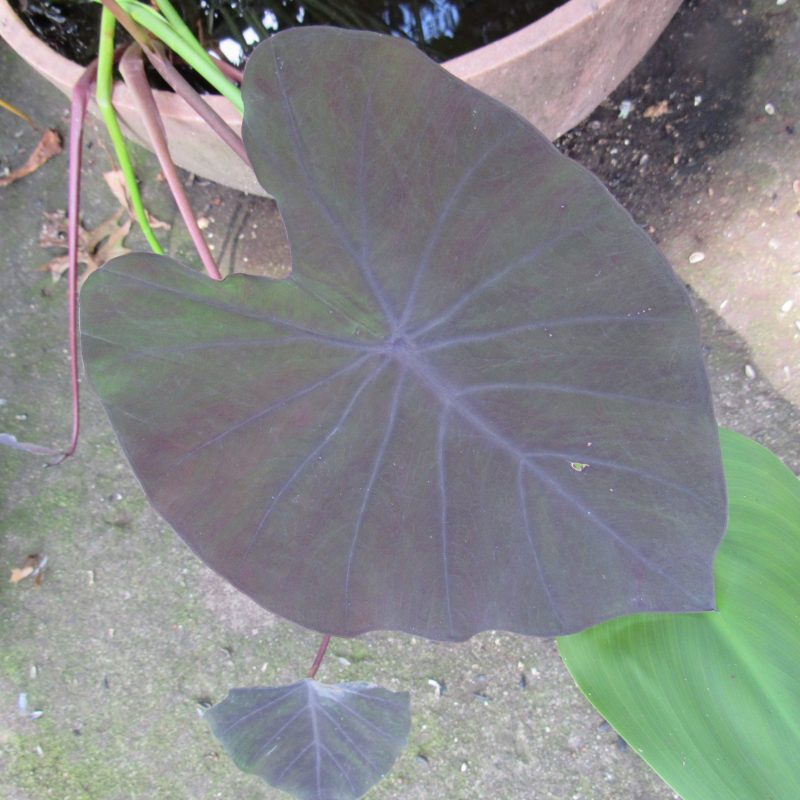
Pretty veining in dusty purple, with background shading of burgundy and dark green, on this elephant ear leaf.


Photo of spotted bird feather

Last week, I had a bat in the garage, which fortunately scared my cats, so they didn’t try to hunt it. I left the door open, and it went away. For the last two nights, something has been giving off rasping shrieks in my yard (unless its prey has been giving them off). Some bird with spotted feathers was made a meal of, but note, of the creature’s remnants, how the feather is translucent and the mulch shows through.


Mature Days of August

Three Poblano peppers (one already cooked with garlic and chicken breasts to make sandwich meat) are my harvest this year. That’s not so bad, because I never usually grow vegetables, thanks to the deer. I gained a handful of Pinto beans, to use for seed next spring—but that was from trying the experiment of sprouting those things I could scavenge from my cabinets. And, as to the experiment, it’s a kind of fun apocalyptic exercise, where you challenge yourself to make a food garden out of whatever you have in your house right now. I learned that peanuts from bird seed sprout easily, but aren’t easy to keep going outdoors, where everything wants to eat them. Later, I bought one tomato plant, but it’s not getting enough sun in its safe location, and hasn’t made a flower…probably too late for fruit to mature at this date. Also, I have a single bell pepper that hasn’t disappeared yet; but it hasn’t got bigger than a pea yet, either.


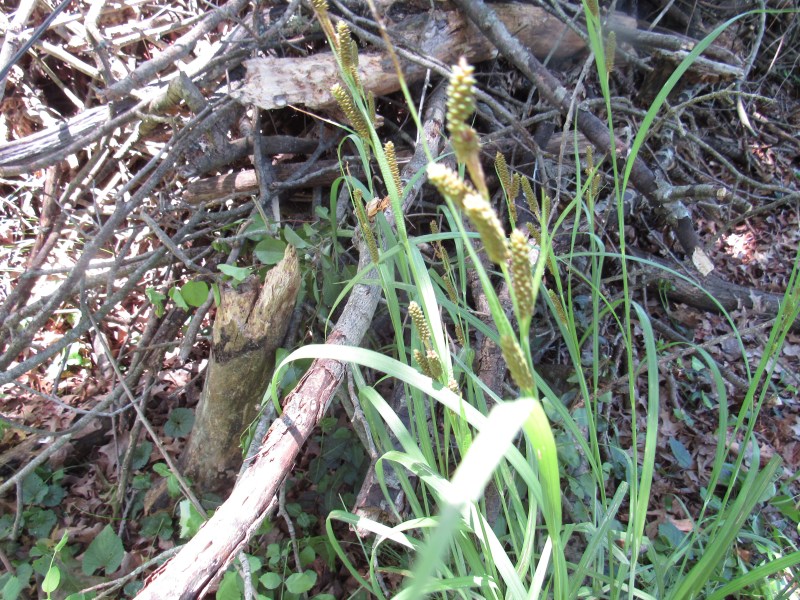
This is an earlier picture of a curious wild grass, with seed heads like wheat. Prairie grasses do a great job conditioning the soil, their habit being to grow from a clump one year, then die at the center and spread out in a circle. The dead roots decompose back into the earth, acting both as fertilizer and having a spongelike effect of absorbing water. This is why the prairie soil of pioneer times was described as rich and black, before overuse degraded it. If you start a bed with prairie grasses, you can easily mow and layer on cardboard or paper, covered with bought topsoil or compost, which you can plant in directly (the roots will make a way)…or just hold it down with leaves, if you want to wait a season and rake off the dead stuff under the cardboard.


Another earlier picture of a pretty little red-capped mushroom.


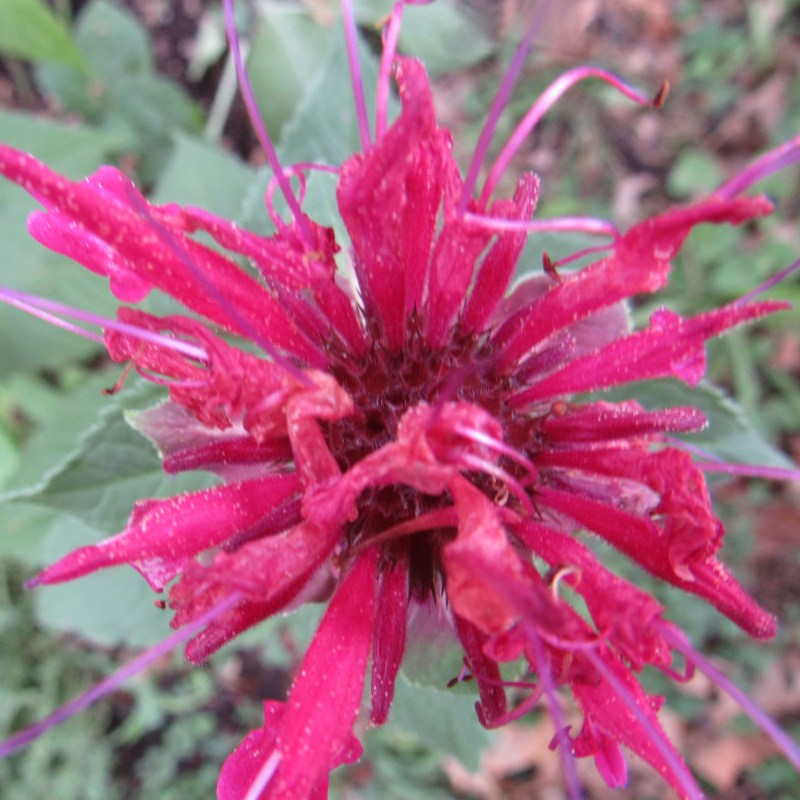
Here’s what closeup photography can teach. I think these are some kind of very tiny insect on this monarda bloom. They can’t be seen with the eye.


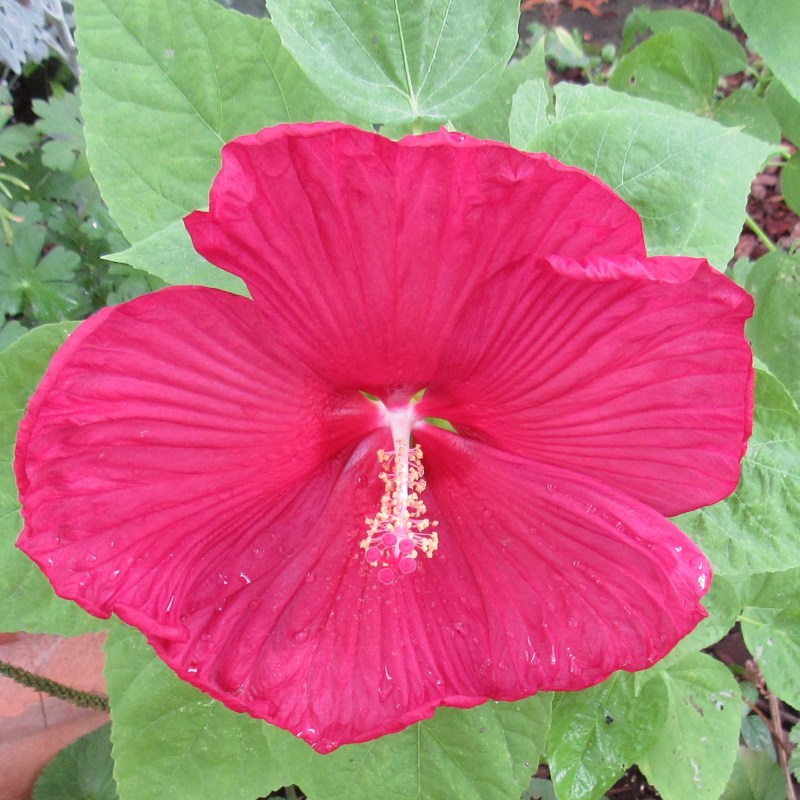
A hibiscus I grew from seed this year. I never noticed, somehow, from growing them in the past, that the flowers last only a day.


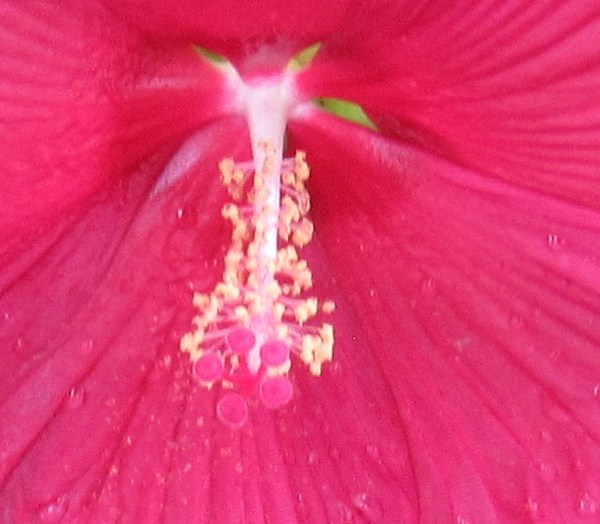
And here’s the full Georgia O’Keeffe, showing how the little round female parts (I believe) have a ring of hairs that seems to reflect a glow.


Close Views in the Garden

Photo of lily pads in bog tub

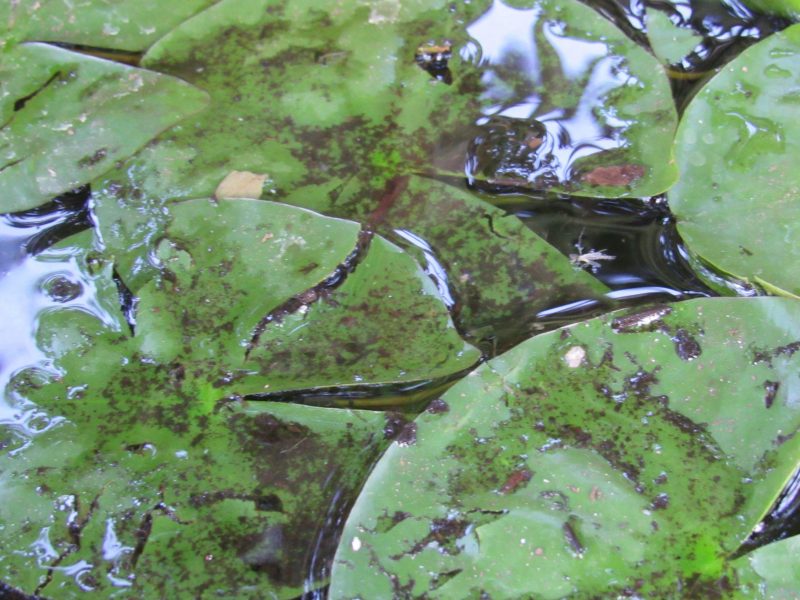
Lily pads in one of my bog tubs. Being stagnant, the tubs have no frogs or fish. I saw a song sparrow plucking out mosquito larvae, a nice natural control for them. The lily pads themselves, when they’ve covered the surface will also keep mosquitoes off.


Photo of black-eyed susans

Black-Eyed Susans and a couple of tiny insects.


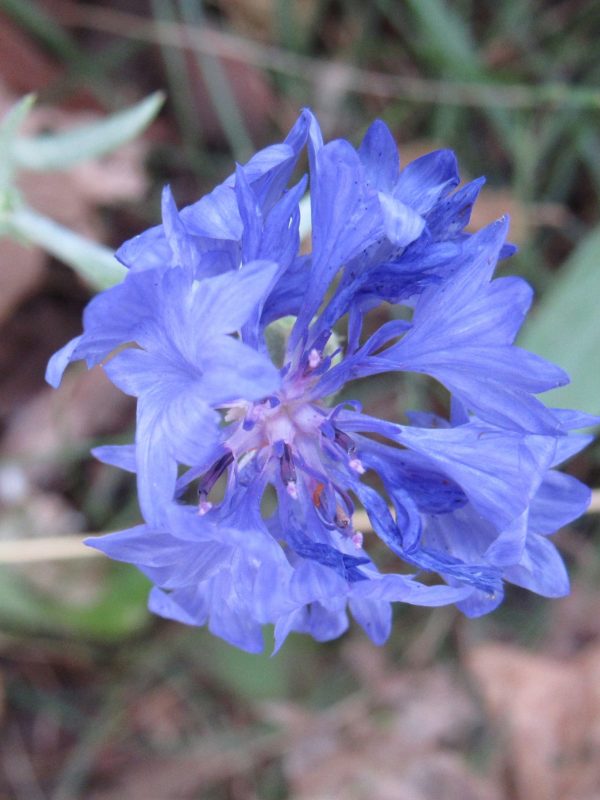
Photo of centaurea bloom

A centaurea in detail, made up of these lily-shaped florets—while the reproductive parts can be seen at the center, so the flower-like shapes are really just a petal formation.


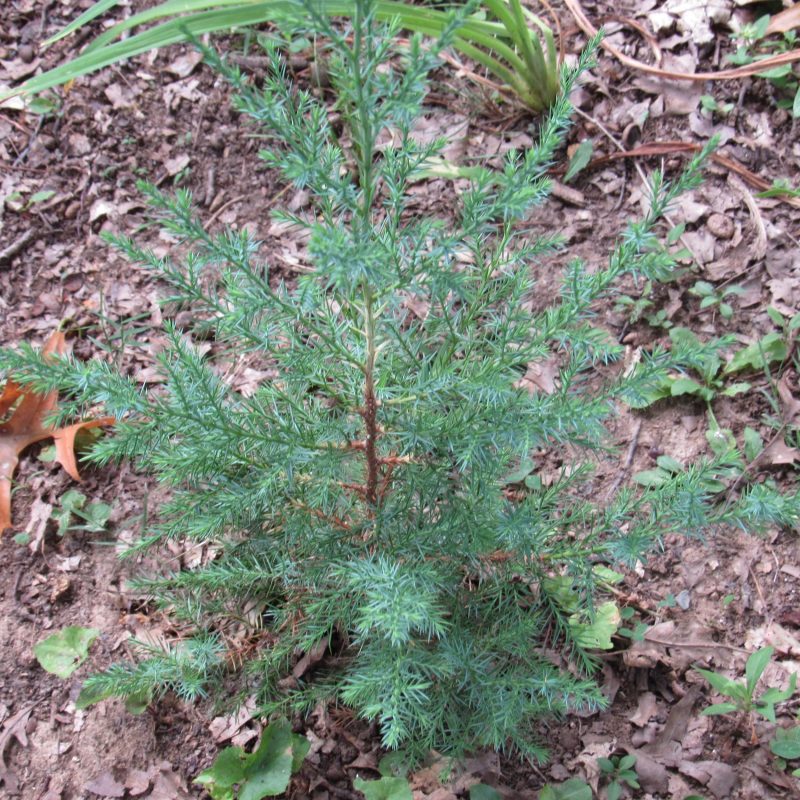
Photo of small juniper

A juniper bush that was brought by the birds. I have several of these sprouted up, and I’m allowing some to grow (this one is about a foot tall) because for habitat my yard is a little short on evergreens.


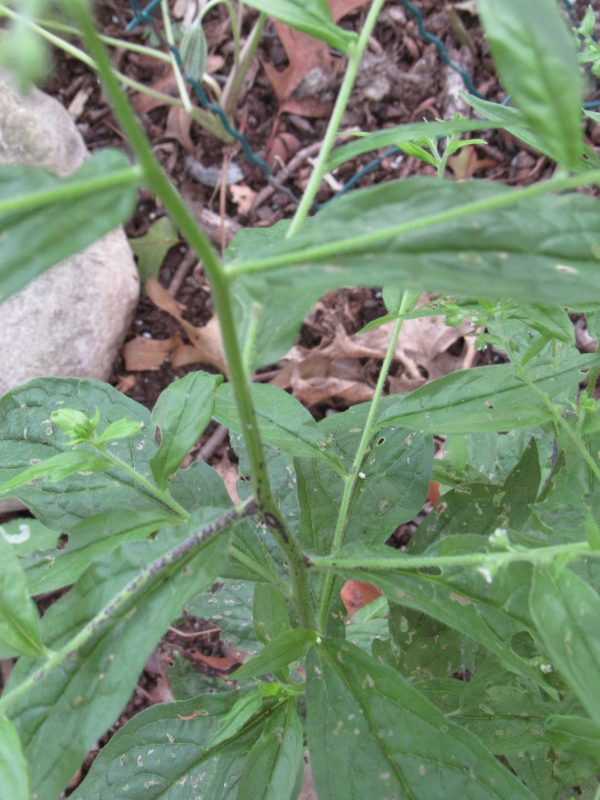
Photo of weed with tiny flowers

This weed seems to fool me every year. The leaves look like coneflower, or some other desirable perennial, but when it matures, it puts out clusters of stems sporting the tiniest white flowers. I think it’s really a sort of bur.


Photo of bumblebee on tithonia flower

A smallish bumblebee that seems the most common type in my yard.


Photo of Spicebush Swallowtail in motion

A Spicebush Swallowtail in motion.


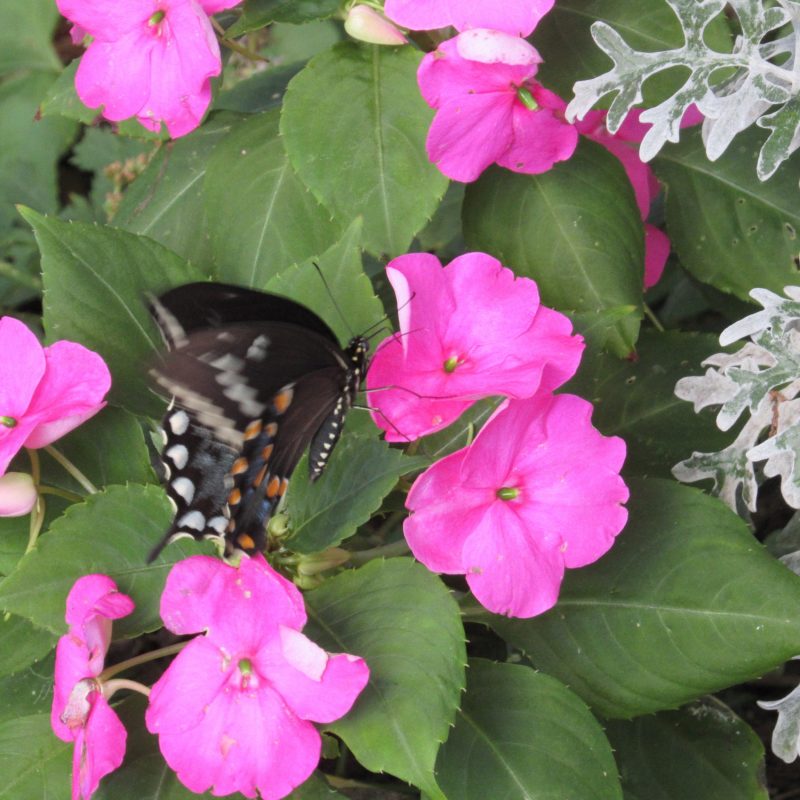
Photo of Spicebush Swallowtail wing detail

A crispier view of the wing pattern. Some members of this species don’t seem to have the double row of white dots on the upper wings, but I don’t know if that’s a gender distinction. Notice the striking mother-of-pearl coloration on the lower wings.


Flower Forms

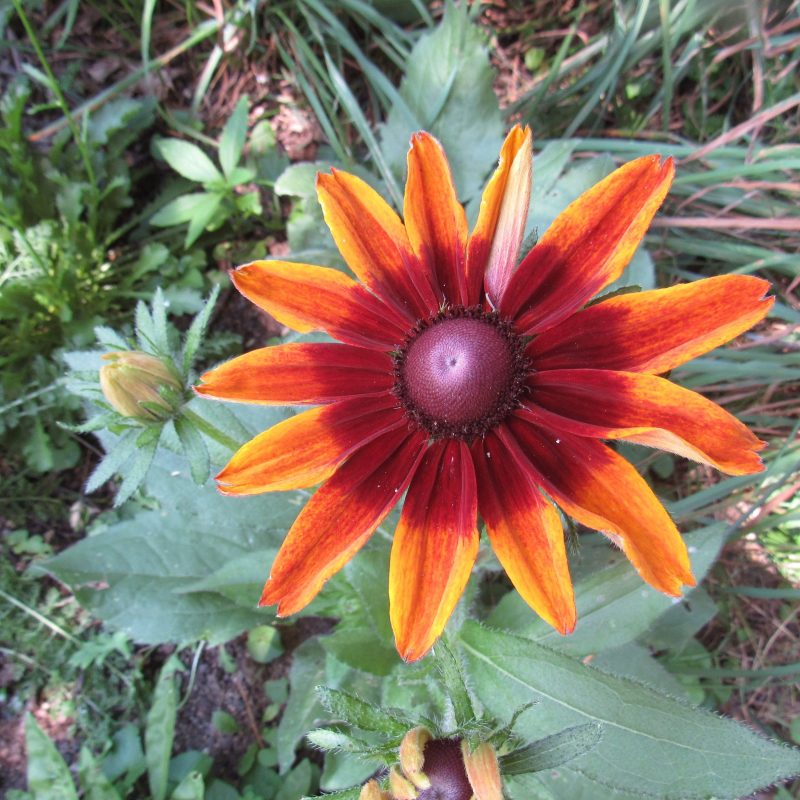
Photo of rudbeckia flower

A fancy variety of rudbeckia grown from seed this year, that ought to be perennial.


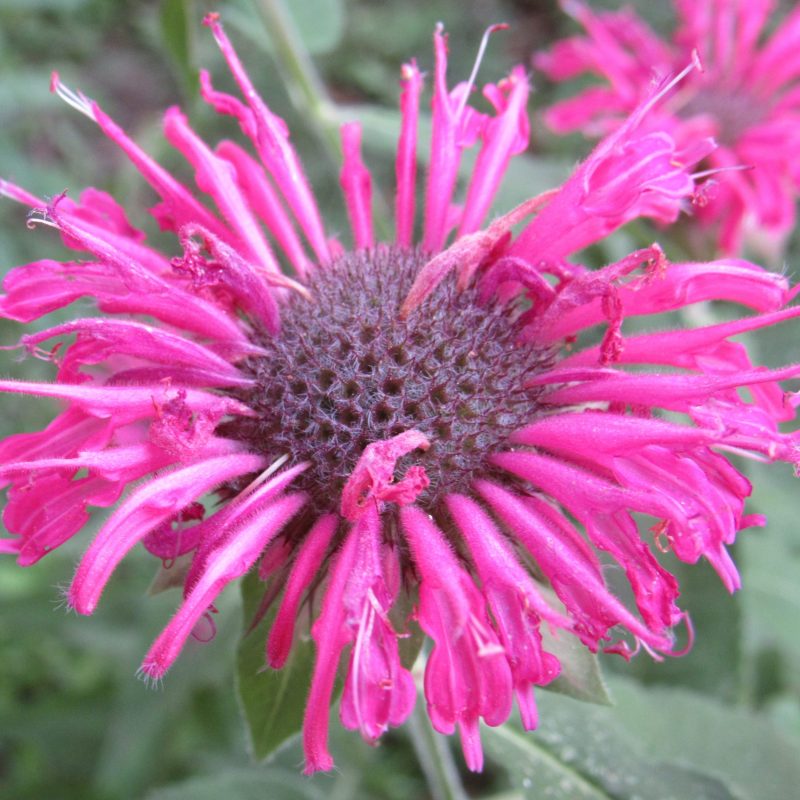
Photo of monarda flower

Cheerful closeup of a pink monarda. Note the unopened flowers have little hairs coming off the ends.


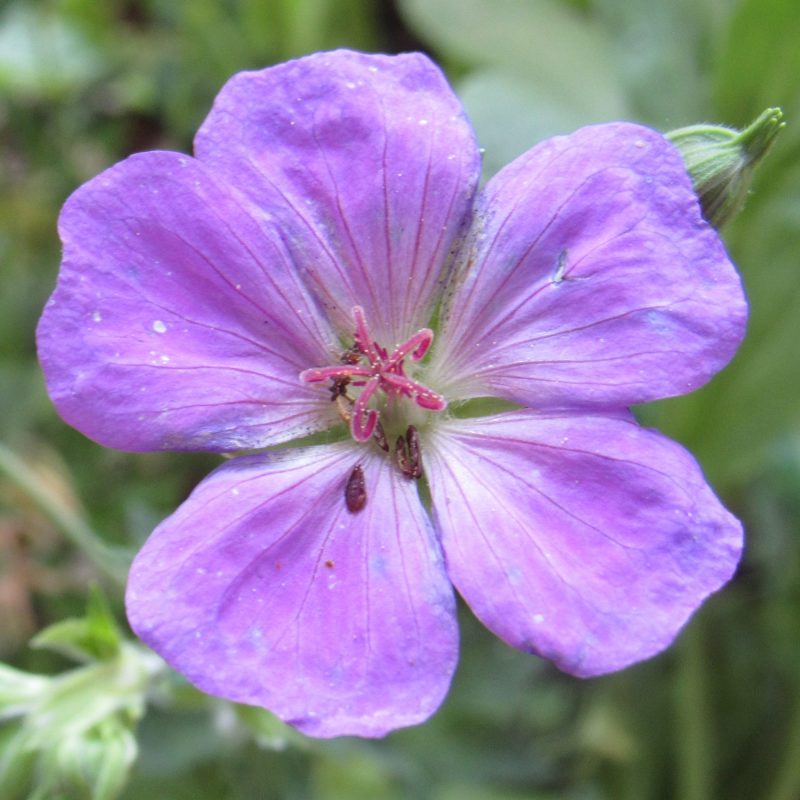
Photo of blue geranium flower

What the inside of a blue perennial geranium flower looks like.


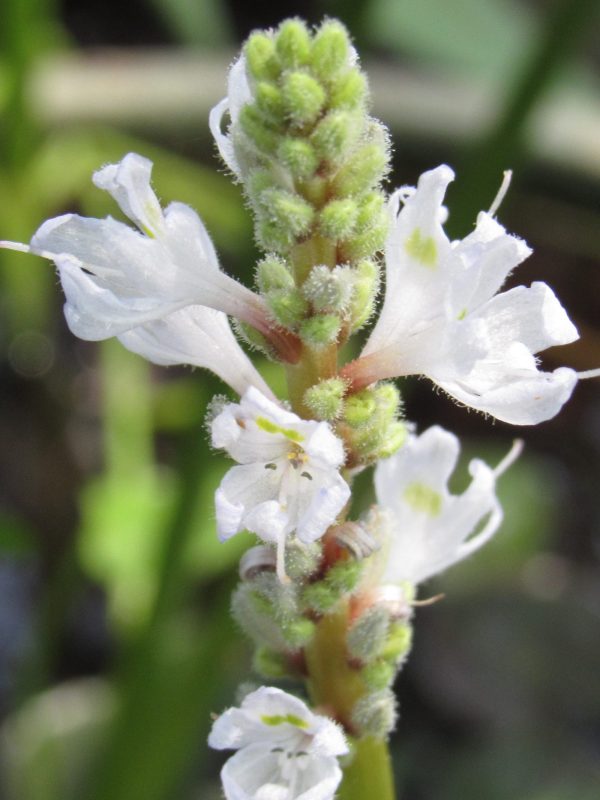
Photo of pickerel weed flower

This is the bloom of a pickerel weed, a bog plant. You can see that it’s covered in tiny tipped hairs, like a sundew.


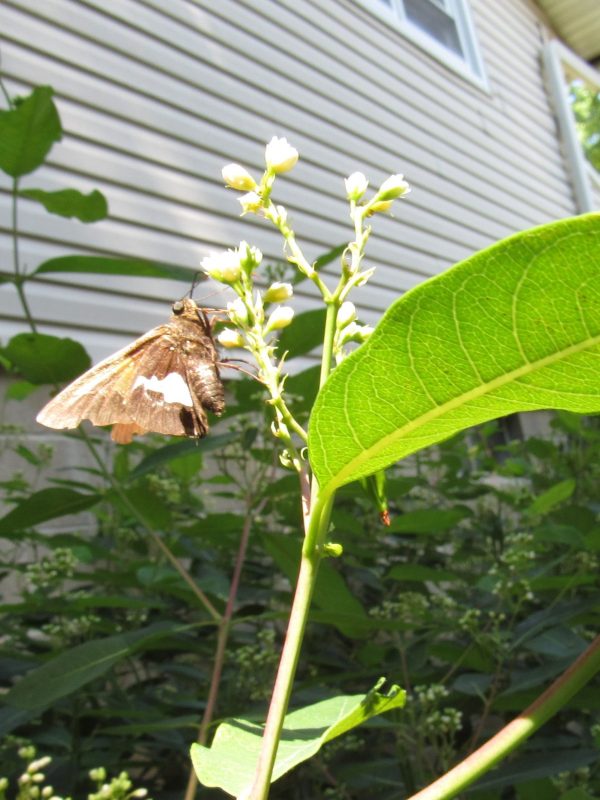
Photo of butterfly on milkweed

I don’t know what kind of butterfly this is, enjoying the milkweed. It’s hard to catch one with its upper wings out.


Photo of milkweed seedpods

And here’s an inside view of the milkweed hedge, this year producing such clutches of seedpods that the look is a little tropical.


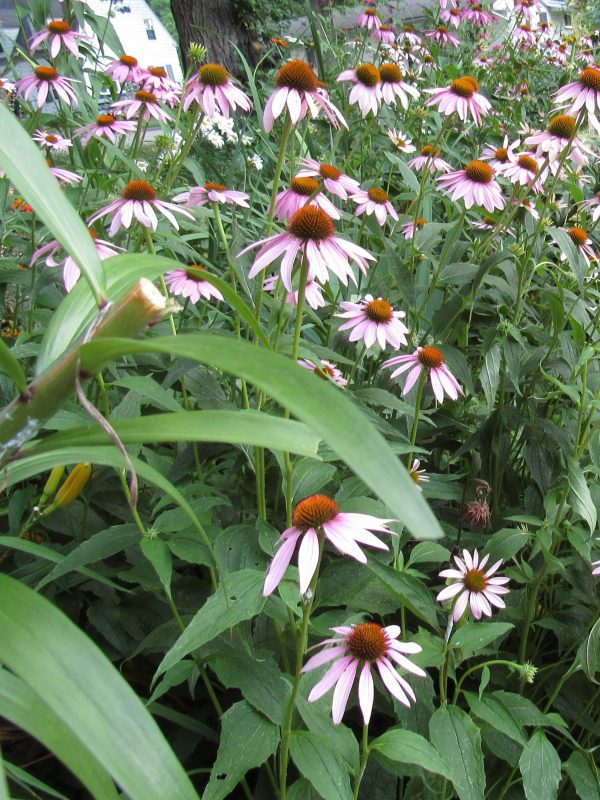
Photo of coneflower border

And finally, the abundance of coneflowers along the drive. Not much butterfly traffic so far this year. A fritillary and a yellow, and several of the tiny ones, but only one each of pioneering large butterflies: a monarch and a tiger swallowtail. The populations may pick up in late summer. And I have goldfinches feeding in this bed, mostly on tithonia seed.


Preservation of Habitat

Photo of large pin oak

For scale, this is a shot of one venerable pin oak in my back yard. (There are two.) This tree is probably not a hundred years old. The house was built in 1962; the oak has lived on for fifty-eight years, and might have been twenty or thirty years old when it and its friend were saved as a feature of the property. It could not have been very old, or the construction would have damaged its root system.

Going on from there, I want you to think how rarely, when you walk through a woodland, or state park forest, you see trees of this girth. Only areas preserved to protect significant trees are likely to have many several feet in circumference. “Old-growth” forest, of course, has trees of all ages, part of any habitat’s continual recreation of itself. But a hundred-year-old tree today still was born in the twentieth century. The woods and all they support: birds, mammals, reptiles, amphibians, insects, fungi, mosses, shrubs, wildflowers, ferns, etc., have to have been sustained in close to their condition when the most endangered species thrived there, for those species to thrive today.

Logged land that has grown back since the 1920s may look old, but represents a minor span in the history of—let’s say for the sake of argument—the Ivory-billed Woodpecker. If we want to believe some undiscovered population is still alive, we have to believe there are woods left alone from the time the last one was seen (1944, in the Singer Tract, which was destroyed). If, in the United States, no habitat for the Ivory-billed has been sustained since the 1940s, having the same mix of trees, allowed to live and die as nature dictates, then the survival of the species is unlikely.

All of which warns us that we can’t fall for restoration as the reassuring answer to environmental depredation. It’s easy to say that forests cut down can be replanted. Restoration projects are important and need to continue. But plans for the future, or the fact that it’s possible to make them, should not become an acceptable compromise against preservation.

Only commitment to both preserve and limit wild areas to human access will slow the rate of extinction, erosion, watershed alterations that lead to drought, and other effects we are running out of time to forestall.


Photo of bright orange daylily

I don’t take the trouble to label my daylilies, so I don’t know what their names are, but this is one of my favorite oranges.
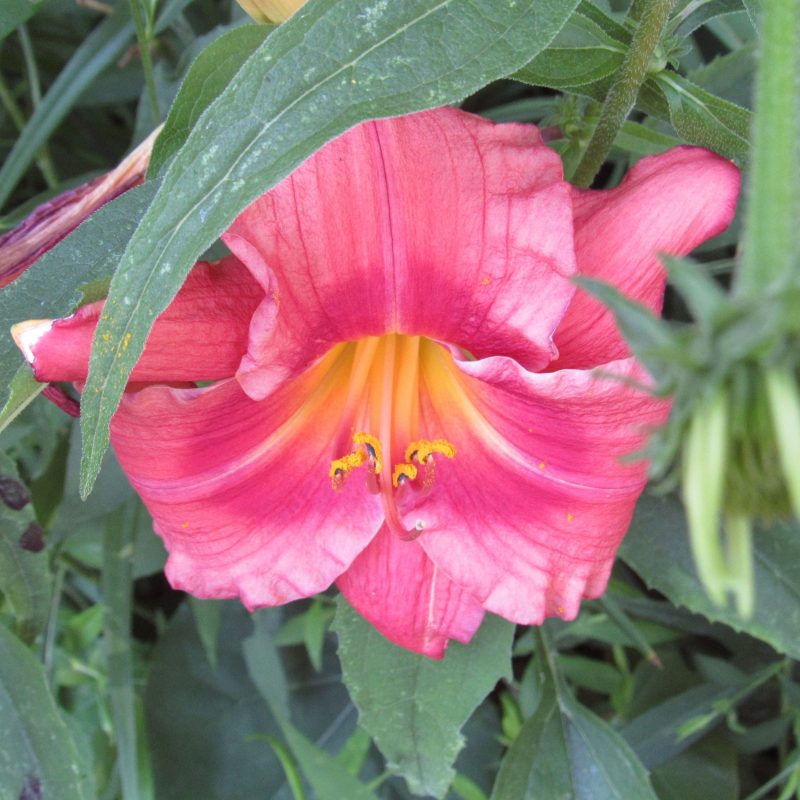
 

Photo of deep ink daylily

And here’s a deep pink.


Photo of driveway border bed

And here is the front border by the driveway, already looking good with a lot of pinks and whites, but several more blooms to come.



Wildlife in the Garden


Photo of deer mother and babies

These are the guilty parties who have been nipping the heads off my daylilies. We had a bad convergence the other day, rain into the night, that prevented spraying the vulnerable flowers; then dry weather when it was too late to go out. That made a window of opportunity for Mama Deer and her babies.


Photo of deer trail through flowerbed

Photo of deer trail through flowerbed

Above are two deer trails I have created/enhanced in my under-tree bed. They look delicate, but deer have a tendency to blunder through the garden, knocking over edging, stepping on and breaking, or grinding, some of the flowers you were hoping to keep. I have four bits of advice for coexisting with deer:

1) Allow natural areas in your lawn; don’t take away all their usual food by having too-perfect grass. 2) Plant mostly deer-resistant flowers. 3) Spray the endangered things, including veg, that you want to protect from them. 4) Plant lots of anything you hope to see flower or fruit. A few will eke through under cover of other plants.


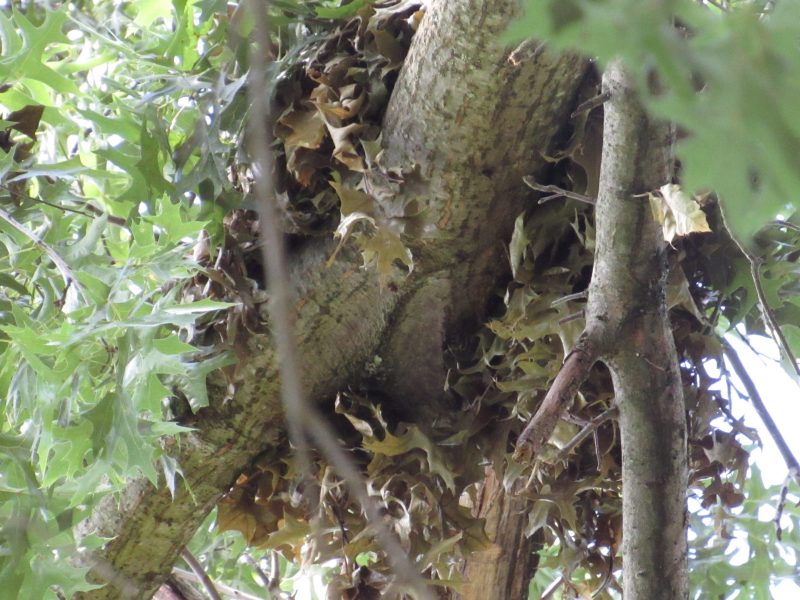
Photo close-up of squirrel nest

The squirrel population has been burgeoning this year. They’ve built themselves a squirrel McMansion up in the oak. But today, in a surprising and excellent development, I looked out my window and saw a Golden Eagle perched on the lawn. The squirrels were frozen in various semi-hiding places, giving off warning signals. It seems the rabbit population has gone down, so predators that depend on them may have to hunt other prey.


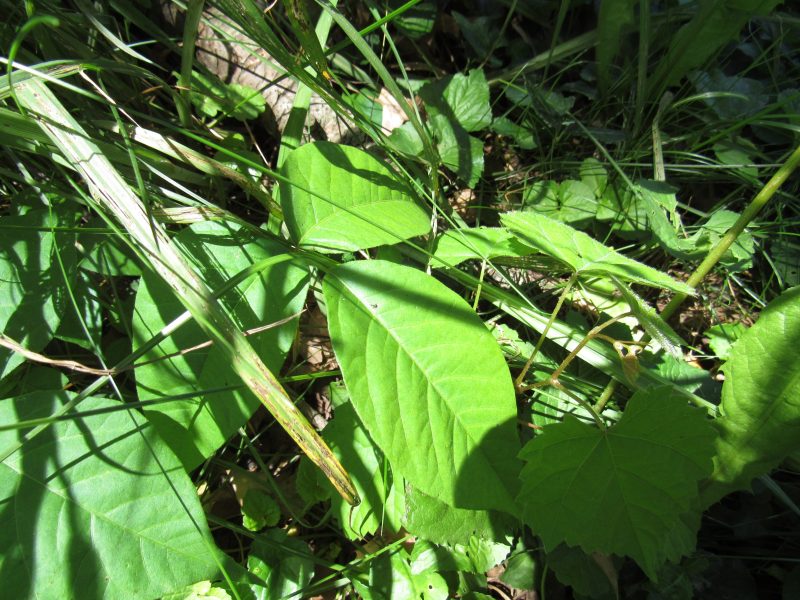
Photo of poison ivy leaves

Leaves of three. When poison ivy plants are just getting started, they don’t always have the characteristic lobes or teeth. One that looks like this, though it might disguise itself as a wildflower or shrub, is just as bad as the others.


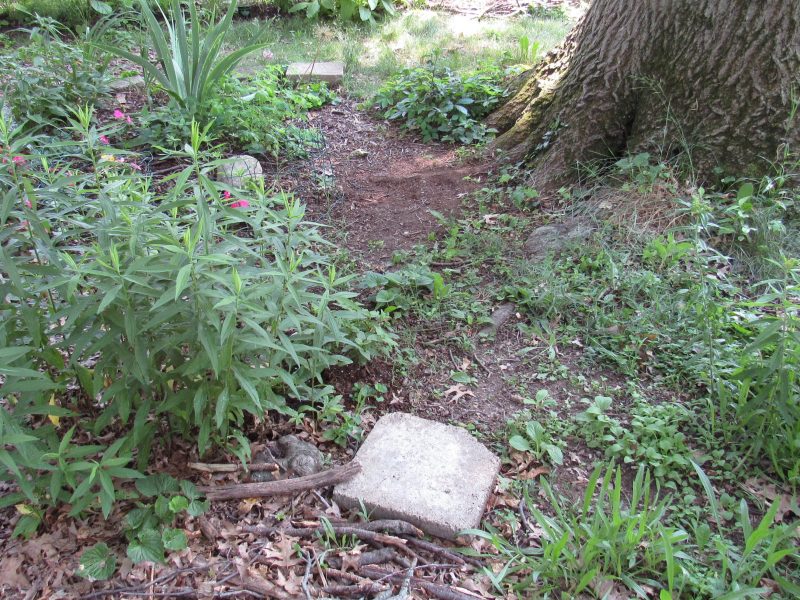
Photo of garden pathway

This is the garden pathway, showing the deer trail pictured above, branching off. I load on as many fallen leaves as I can in autumn and winter, and you can see how completely they’ve decomposed by summer. Meanwhile, all the branches that come down make nice defining edges.


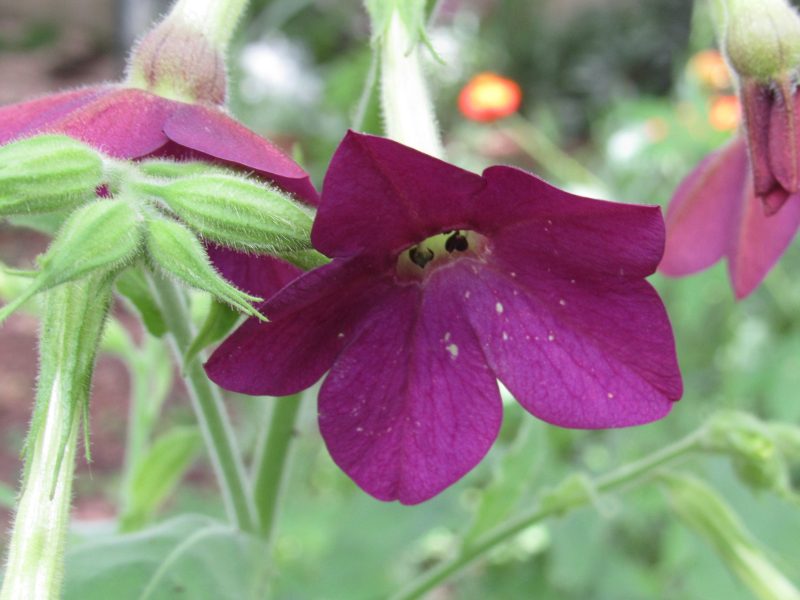
Photo close-up of nicotiana flower

Close-up of a nicotiana blossom, a nice purple, which seems to be one of the rarer colors.


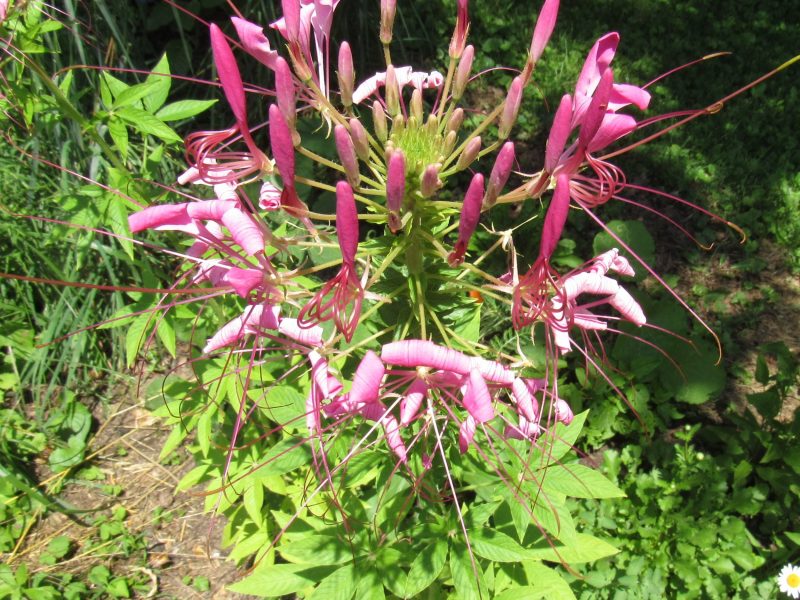
Photo of cleome flower

Cleome is a funny sort of creature. The plants smell like sour lemon; they make these curious flowers with stamens like bundles of computer cable, and as the flowers fade, each petal/sepal (whatever it is) curls up like this, in a row. And they have thorns. Cleome are also super-easy to propagate from cuttings. Just include a leaf node on a piece of stem, and stick into moist garden soil directly.


Photo close-up of ageratum bloom

I always plant ageratum, reliable grown from seed; the periwinkle blue is a great accent to any other color. In this tight shot, you can see what the flower form really is.


Good Weather and Burgeoning Nature

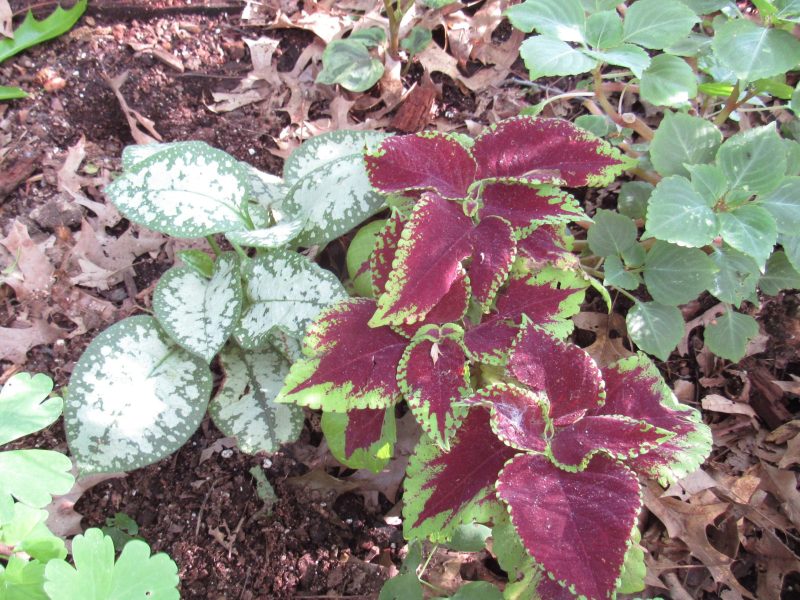
Photo of pulmonaria and coleus in garden

A pretty combo of pulmonaria and coleus.


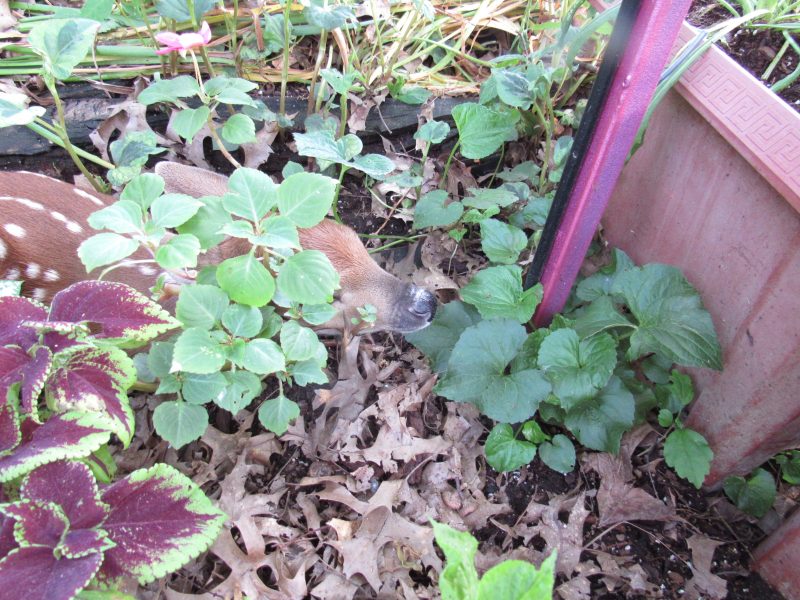
Photo of baby deer in garden

Early in the week, a visitor. Mother deer, when the babies are small, will “park” them in a safe place, while going off to browse. If you find a baby, and it looks perfectly healthy, it likely has no troubles at all, and the mother hasn’t abandoned it. Leave things alone, and she’ll come back to take the baby away with her.


Photo of baby deer in garden

Here’s another shot. The camouflage worked a little, in that I discovered this one by surprise while out in the evening spraying my plants with Liquid Fence. The baby lifted its head and wrinkled its nose, and I apologized. (Yes, I’ll talk to an animal, if I come across one.) They aren’t afraid of people at this stage of life…and of course you shouldn’t touch them, though having been nearby won’t perturb the mother when she comes back.


Photo of baby deer in garden

And here is the little face. The baby was about the size of my larger cat.


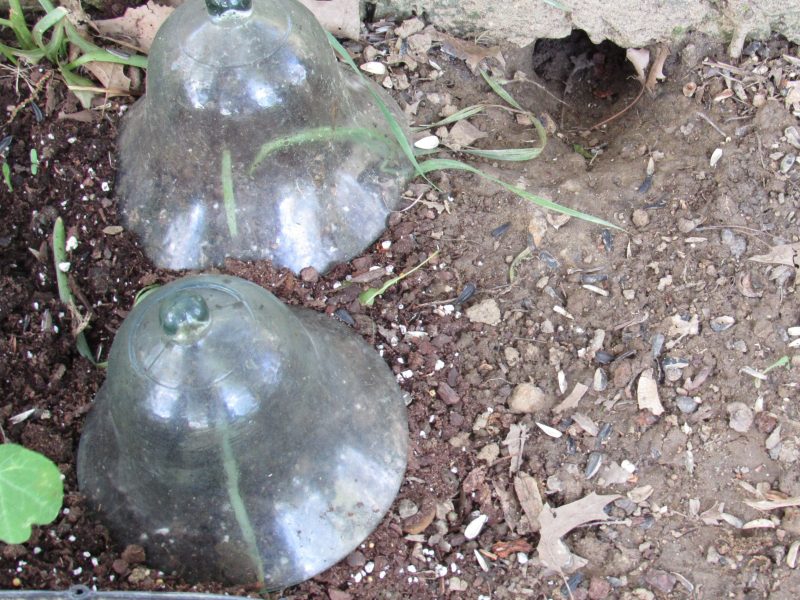
Photo of chipmunk hole

A chipmunk hole, where they’ve tunneled under the concrete patio. I have a cactus that lives outdoors during the warm months, and the chipmunks always jump right on top of it and perch there, not bothered by the spines.


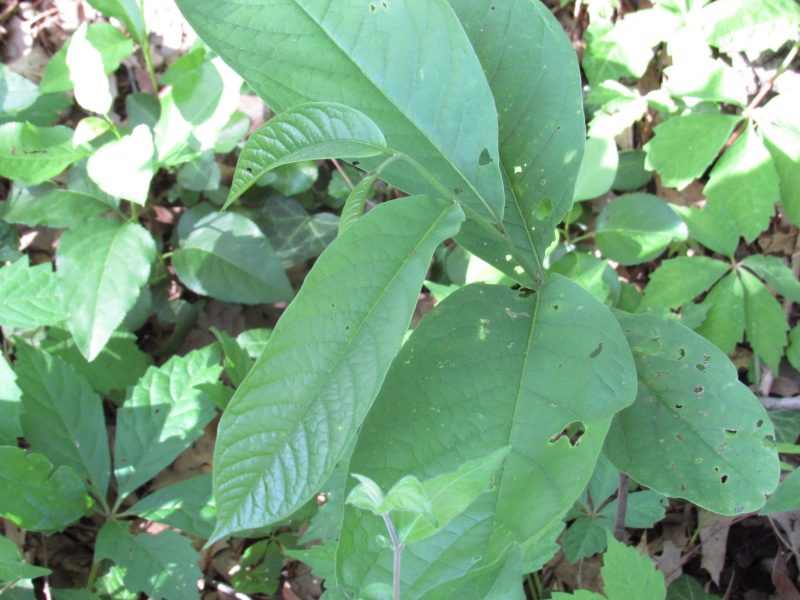
Photo of pawpaw tree

A volunteer pawpaw tree, under one of my oaks. I don’t mind it staying; while I’ve never actually found a pawpaw fruit in the wild, with all the animals that get them first.


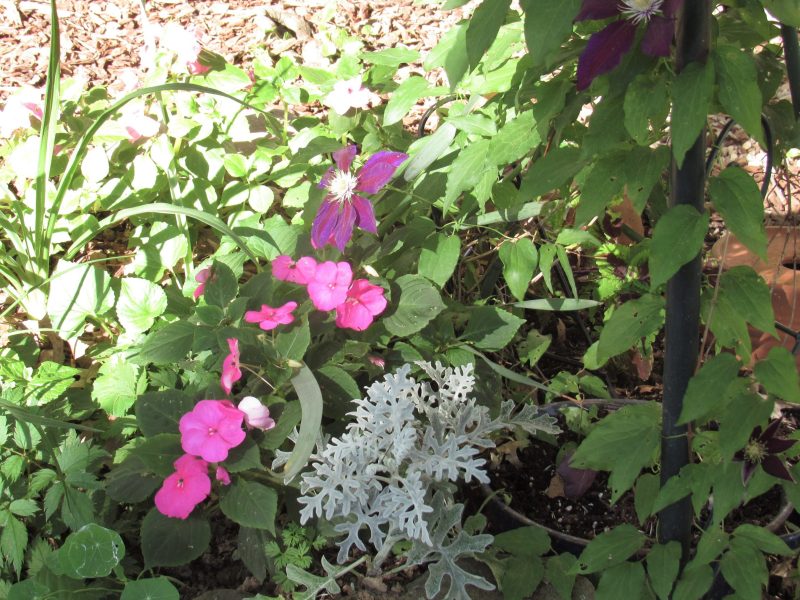
Photo of several plants in small space

This is a small space, probably any radius from this half-circle bed no more than two feet. But you can spot a clematis, daylily, astilbe, heuchera, impatiens, dusty miller, nasturtium, coleus, and a little larkspur. Also wild violets.


Photo of potted plants in garden

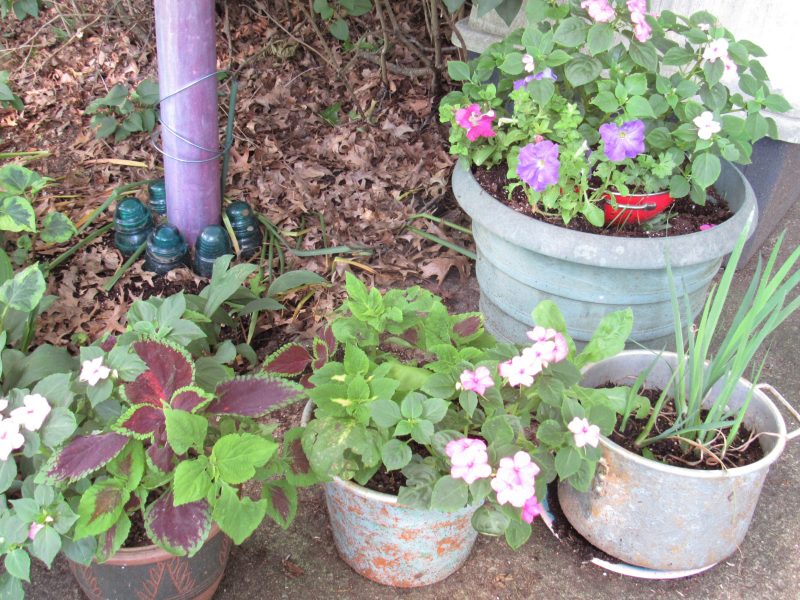
The patio pots, with mostly the standbys: impatiens, coleus, petunia. The large one with the colander also has nasturtium and a start from my perennial geranium, and the stewpot has Louisiana iris, a bog plant, since there are no holes in the bottom.


Do We Have the Gall?

Photo of gall on azalea leaf

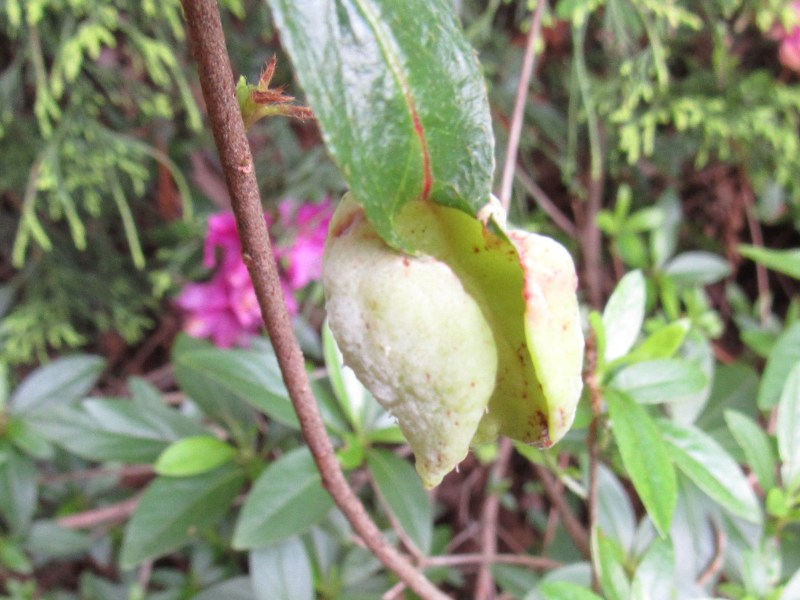
Here is a fascinating one, of a type I’ve never seen. This azalea leaf has been mutated by whatever creature formed the gall, into a shape that resembles an orchid flower. Functional, or not? You can see the red going up the center vein, but the cells of this leaf are also generally deformed. Some galls are caused by insects, some by mites, some by fungus or bacteria.


Photo of wildflower with tiny white blooms

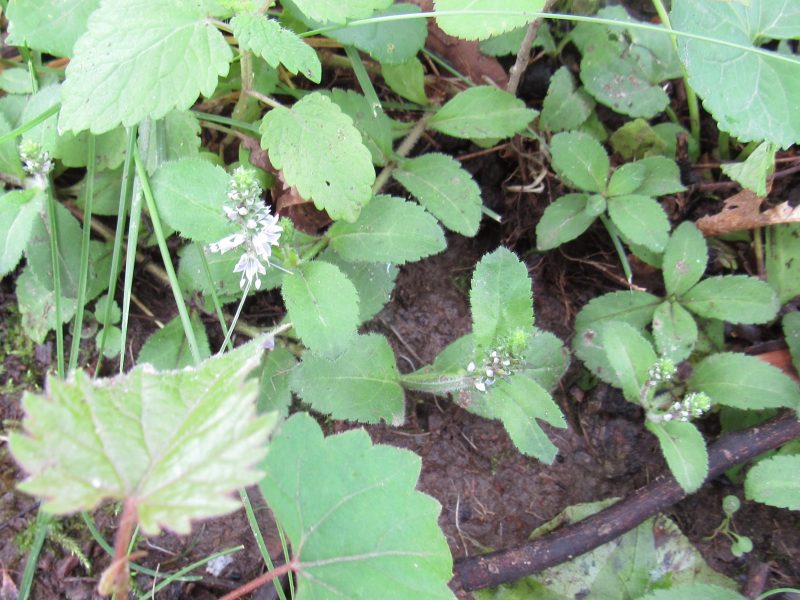
Here is a cute, tiny wildflower. Even the little serrated leaves are cute.


Photo of foxglove seedlings

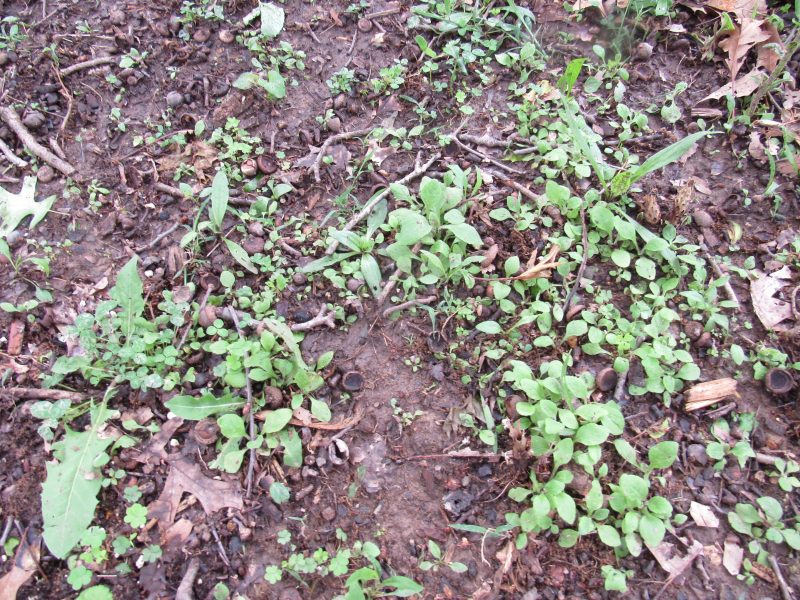
This is a swath of seedling foxgloves, all from the parent plant that died off after blooming last year. That’s nothing sad (mildly sad, maybe, but nature has her ways) because foxgloves are, most varieties, biennials. Some of the ones I’ve started this year have grown so big and robust, I hope they will bloom. Meanwhile, I’ve got plenty here to spread around to other beds.


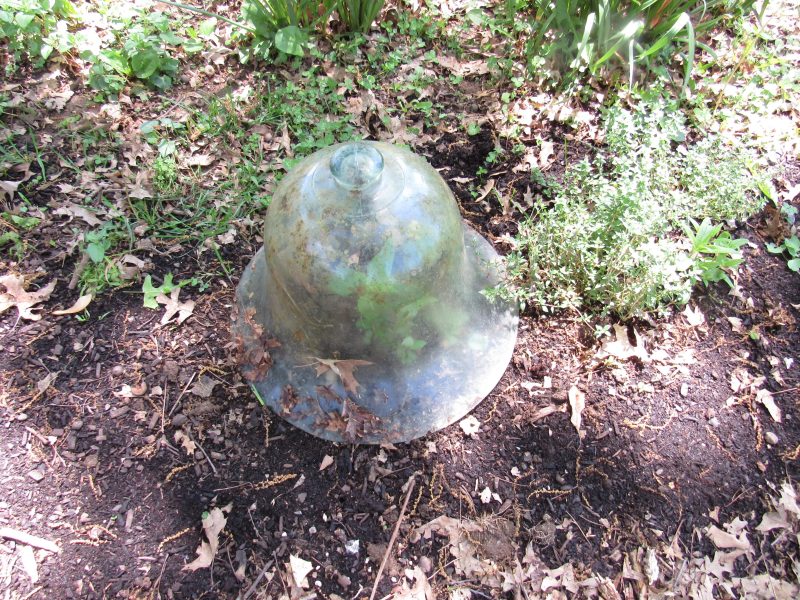
Photo of cloche protecting monarda

You might have come across what looked like snipped-off leaves, on some of your garden plants. I added a monarda to my “round the tree” bed, and came out one day to find it had vanished. I dug up another piece from a stand in the front border, and that one got snipped too. I thought it must be a bird, but the leaves were left lying on the ground, so what could the guilty party have in mind? Another day, I looked through my back door, and saw a grackle snipping at a brand new store-bought monarda. So, if you’ve ever had a similar experience, I can testify I’ve seen the bird in the act. Maybe the strong scent, the oils in the leaves, helps them get rid of lice when they’re nesting. (Now nesting is over, they’ve left my plants alone.) Maybe the scent helps disguise the nest from predators.


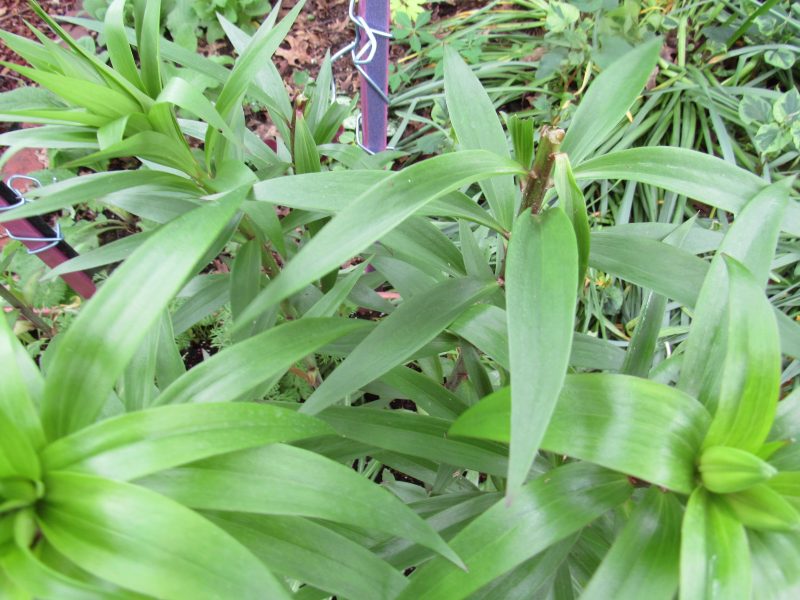
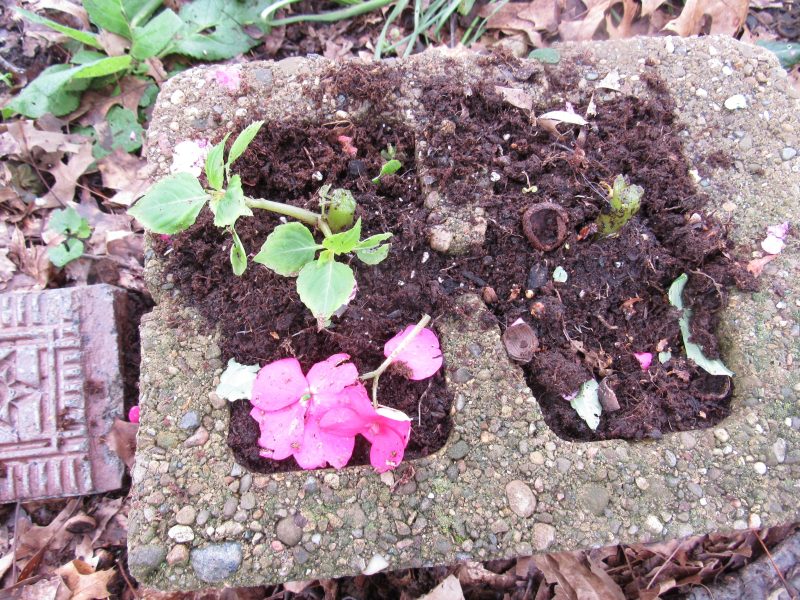
Photo of lily eaten by deerPhoto of impatiens eaten by deer

Speaking of depredations. We had two solid days of heavy rain here in southeastern Ohio. Normally I use Liquid Fence to keep deer off my tasty garden plants, the lilies, daylilies, impatiens, elephant ears…besides which I plant as many deer resistant flowers as I can find. I have most of the usual ones; sometimes the deer will snip the tops off coneflowers or shasta daisies. But a convergence of circumstance put my garden at risk. The rain meant I couldn’t spray, and then…which is common at this time of year…a deer showed up during the early daytime. They are normally nocturnal in their foraging, so I’d expected to have enough time when things dried up, to stink up my plants for them. (Liquid Fence is a spray you mix that smells like a combination of garlic, pepper, and manure.) As you see, some of this year’s lily flowers got snatched away, and these impatiens I just planted are down to the nubs. The deer also chopped some centaurea, which won’t care, and my goatsbeard, which one or another deer tends to do every year.
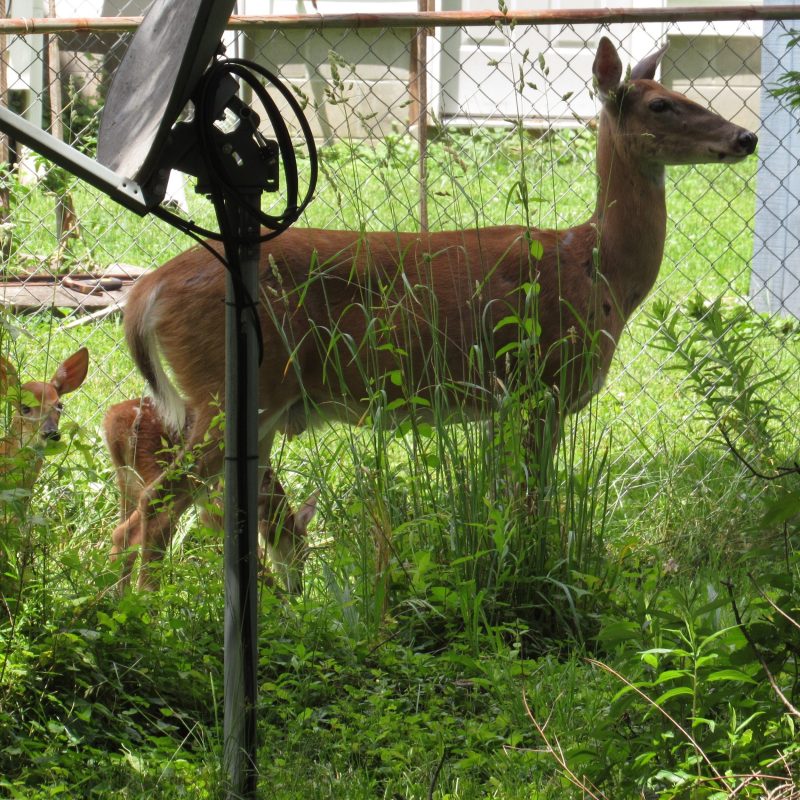
 

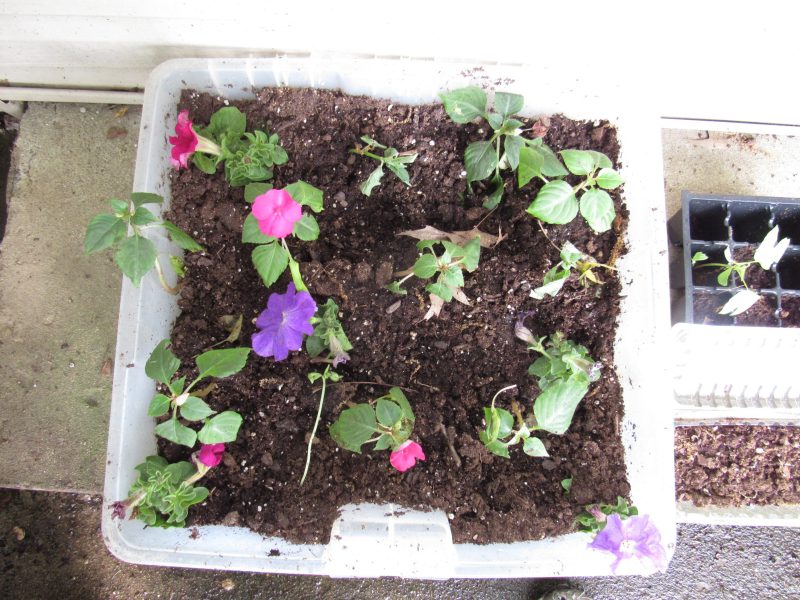
Photo of cuttings in nursery box

But here are some new impatiens getting a start, as well as cuttings from some petunias I just bought. You can keep a nursery box like this all summer and stick cuttings in as your plants get leggy, or when you just want more.